












The Global Games Show is more than an expo — it’s where creativity, technology, and culture collide. It unites developers, studios, investors, and gamers from around the world to shape the future of interactive entertainment.


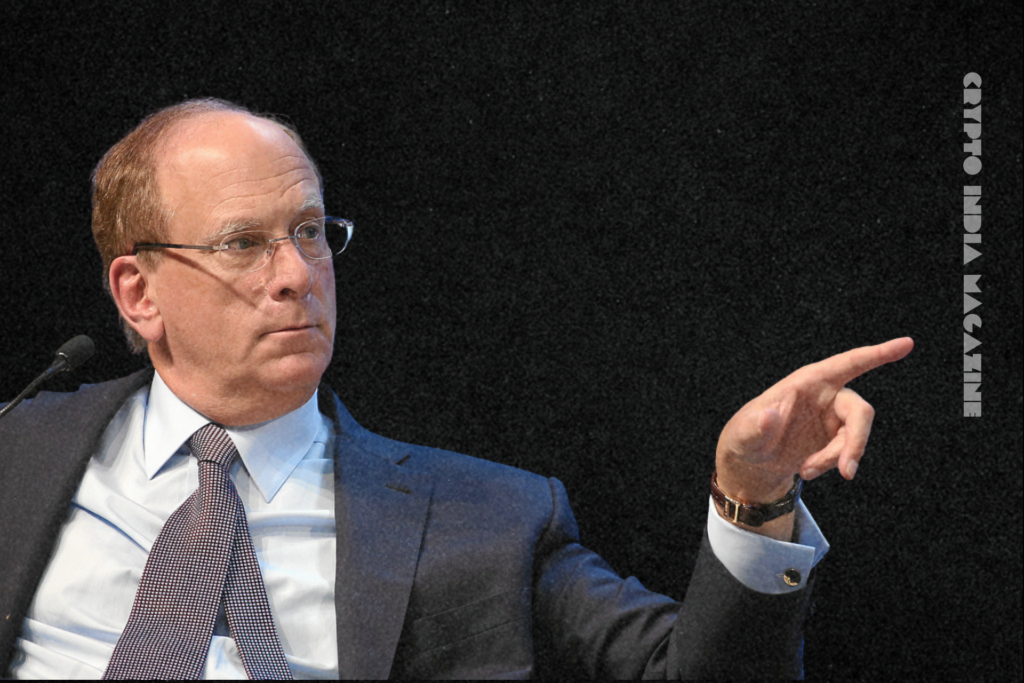
Larry Fink says tokenization could do for finance what the internet did to mail — and BlackRock isn't waiting around. With $150B already in digital markets, the world's largest asset manager is building the future it's describing.

As of March 2, 2026, ADA trades at approximately $0.29, down from highs above $1.00 reached in early 2025. The current market capitalization stands at roughly $10.77 billion, with a circulating supply of approximately 36.07 billion ADA.
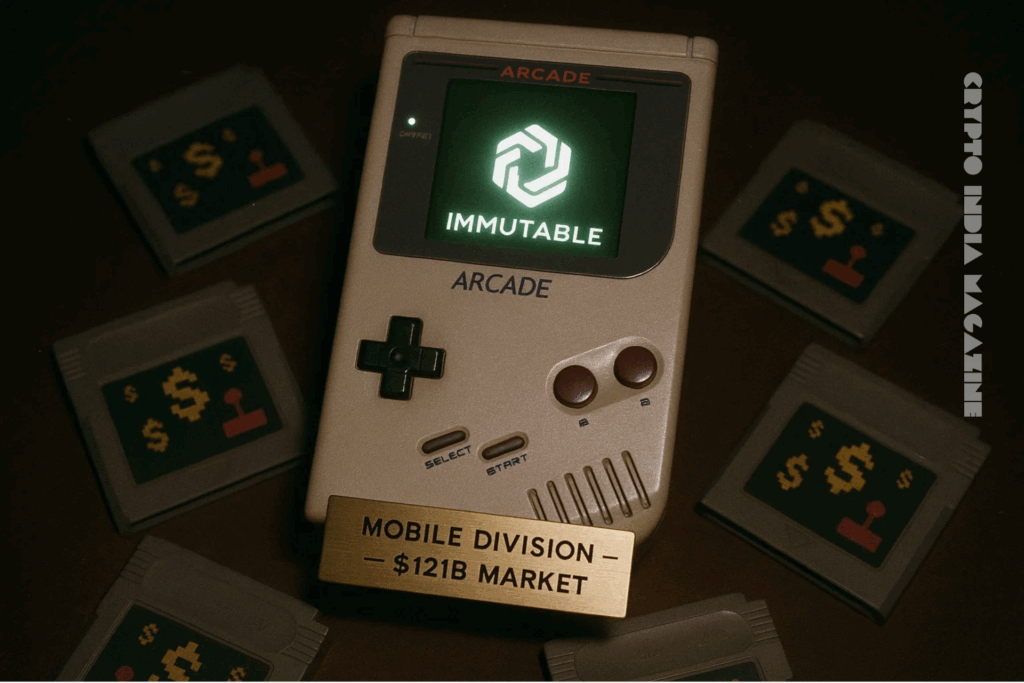
“A specialist taskforce, hell bent on breaking games into the $121bn mobile market,” Ferguson wrote on X (formerly Twitter). “Since April, we’ve already taken three games to the No. 1 rank on mobile stores. Now we want the charts to be dominated by Immutable.”

Recent lawsuits and studies reveal a dark side to AI chatbots. From validating violent obsessions to drafting attack plans, generative AI platforms are increasingly linked to real-world violence, prompting experts to warn of an impending rise in mass casualty events.
The Global Games Show is more than an expo — it’s where creativity, technology, and culture collide. It unites developers, studios, investors, and gamers from around the world to shape the future of interactive entertainment.

According to ARK’s latest disclosure, the ARK Venture Fund (ARKVX) now holds about 3.25% of its assets in Securitize, making the company the fund’s eighth-largest position after major AI players such as xAI and Anthropic.

Speaking at the Token2049 conference in Singapore, Tenev said that in the future, “everything will be on-chain in some form, and the distinction [between crypto and traditional finance] will disappear.”
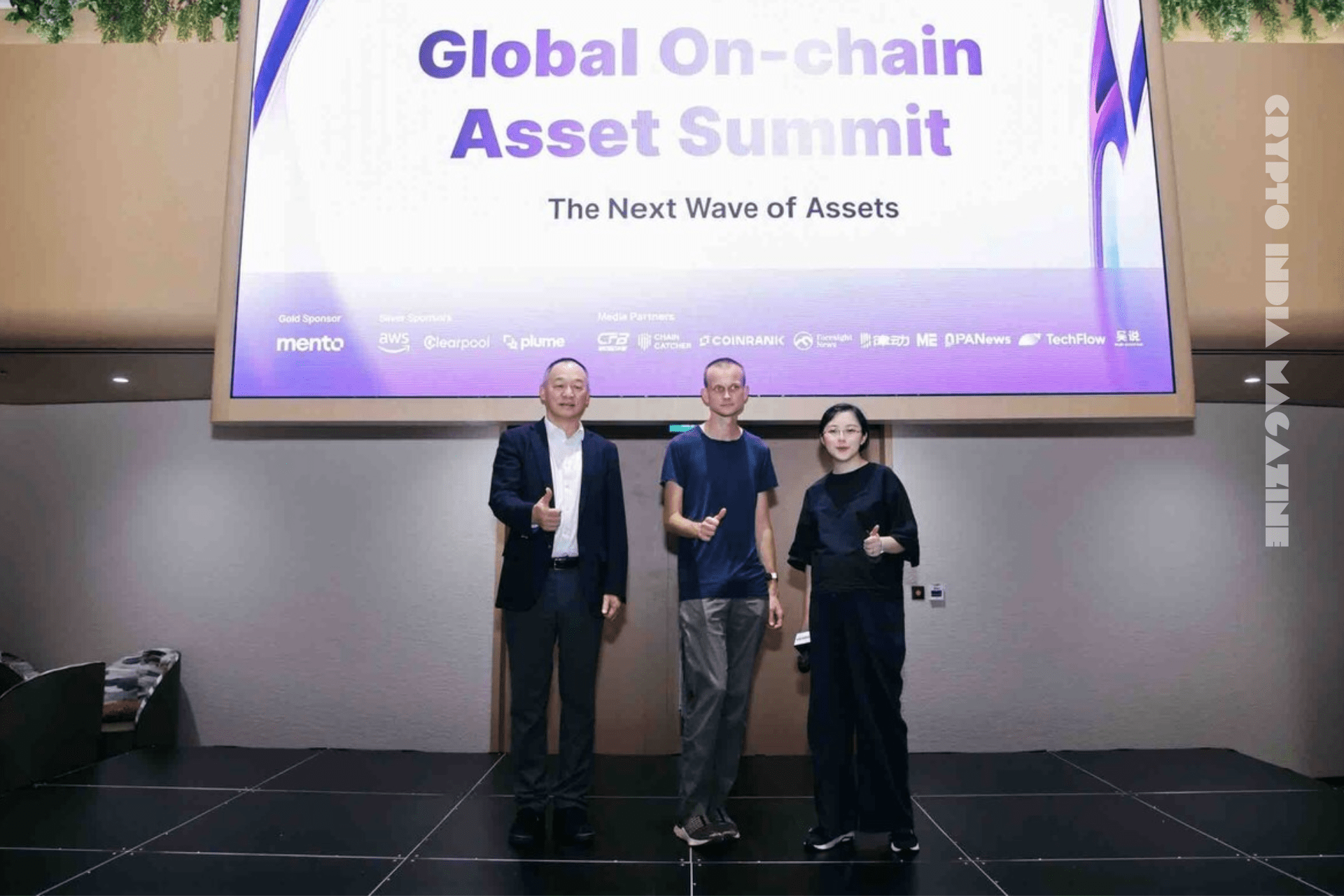
SINGAPORE, OCTOBER 2, 2025 — During the globally watched Token2049 Summit, Vitalik Buterin, co-founder of Ethereum, and Dr. Xiao Feng, Chairman and CEO of HashKey Group, jointly initiated the “Ethereum Applications

Among the exchanges named are some of the industry’s best-known platforms, including Paxful, Poloniex, BitMex, BTCC, CEX.IO, LBank, CoinEx, BingX, PrimeXBT, Remitano, AscendEx, Phemex, Probit Global, Bitrue, BTSE, YouHodler, and Huione.
