Category
Blockchain
How blockchain technology actually works and where it's being used — protocols, scaling, interoperability and enterprise adoption. Clear reporting from CIM, global and India-focused.
The XRP Ledger activated permission delegation on October 8, letting an account owner authorize another account to send specific transactions without sharing master keys. The XRPL documentation advises against delegating PaymentBurn for now.
By Shailaja Pathak

Blast, an Ethereum layer 2 that once held more than $2 billion, is winding down after its value locked fell about 98% and costs outran revenue. Users have until October 26 to withdraw. It is the latest in a wave of 2026 layer 2 closures as the market thins.
By Harshajit Sarmah
Pi Network began deploying Protocol 27 to Testnet 1 on August 21, with September 15, 2026 as the Mainnet target. The Core Team calls it the final planned upgrade in the current sequence, adding smart-contract authentication and groundwork for RPC servers, DEX functions, and AMM pools.
By Harshajit Sarmah

Robinhood took its Arbitrum-built Layer 2, Robinhood Chain, live on public mainnet on July 1. The launch brings 24/7 Stock Token trading to more than 120 countries, adds onchain lending through Robinhood Earn, and routes 10% of chain fees back to the Arbitrum ecosystem.
By Editorial

OKX has made the Pi (PI) token available to compliant US users for the first time, the Pi Core Team said on May 21. The move follows Kraken's March listing and adds a second US access point, even as token unlocks and weak demand keep PI pinned near $0.15.
By Mila Novak

LayerZero issued a public apology on Friday for the $292 million Kelp DAO exploit, admitting its single-verifier setup should never have secured high-value cross-chain transactions. The reversal follows three weeks of blame-shifting and comes as Kelp migrates rsETH to Chainlink's CCIP.
By Harshajit Sarmah
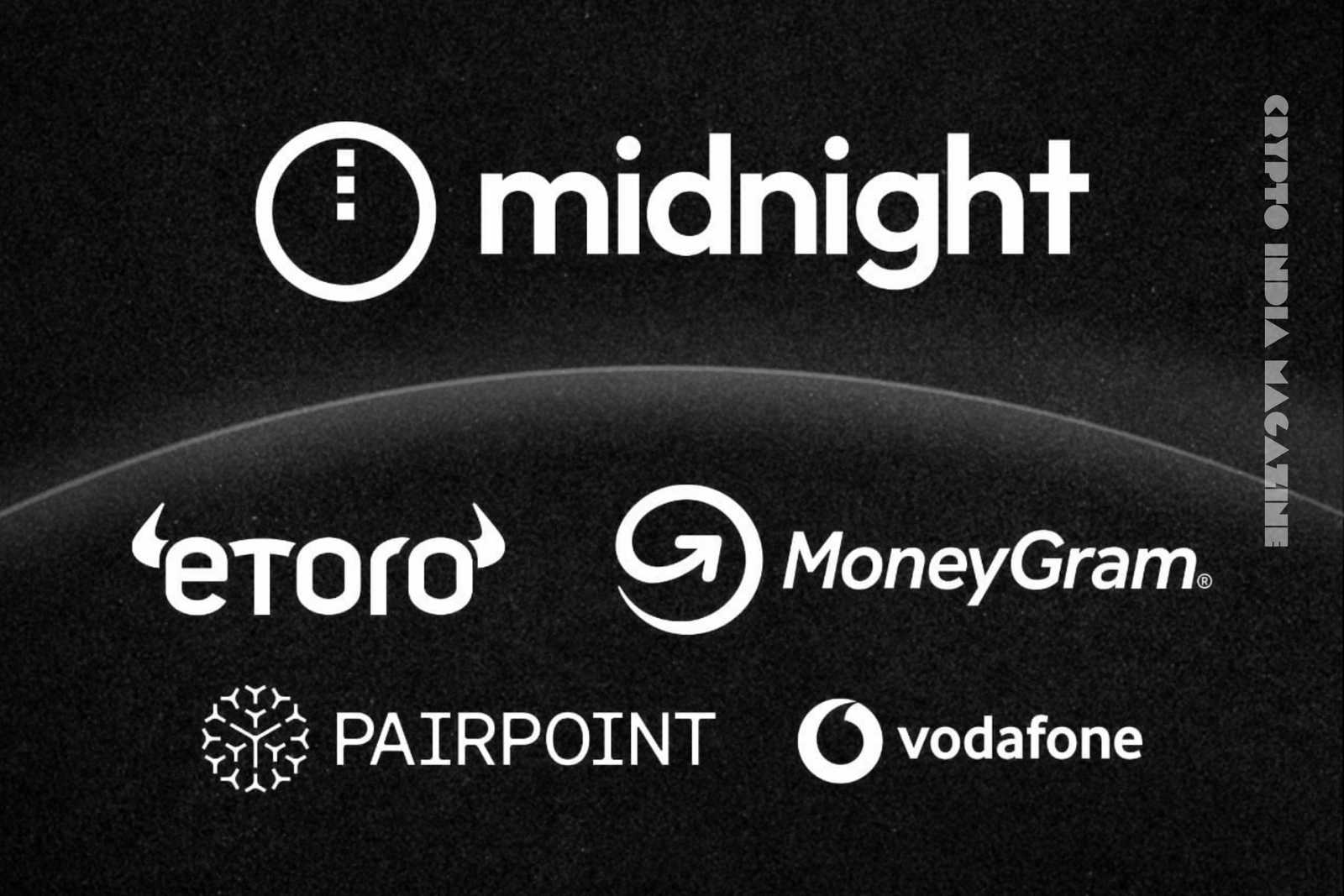
The three companies join previously announced node operators, including Google Cloud, Blockdaemon, Shielded Technologies, and AlphaTON Capital, which is running a node on behalf of Telegram.
By Harshajit Sarmah
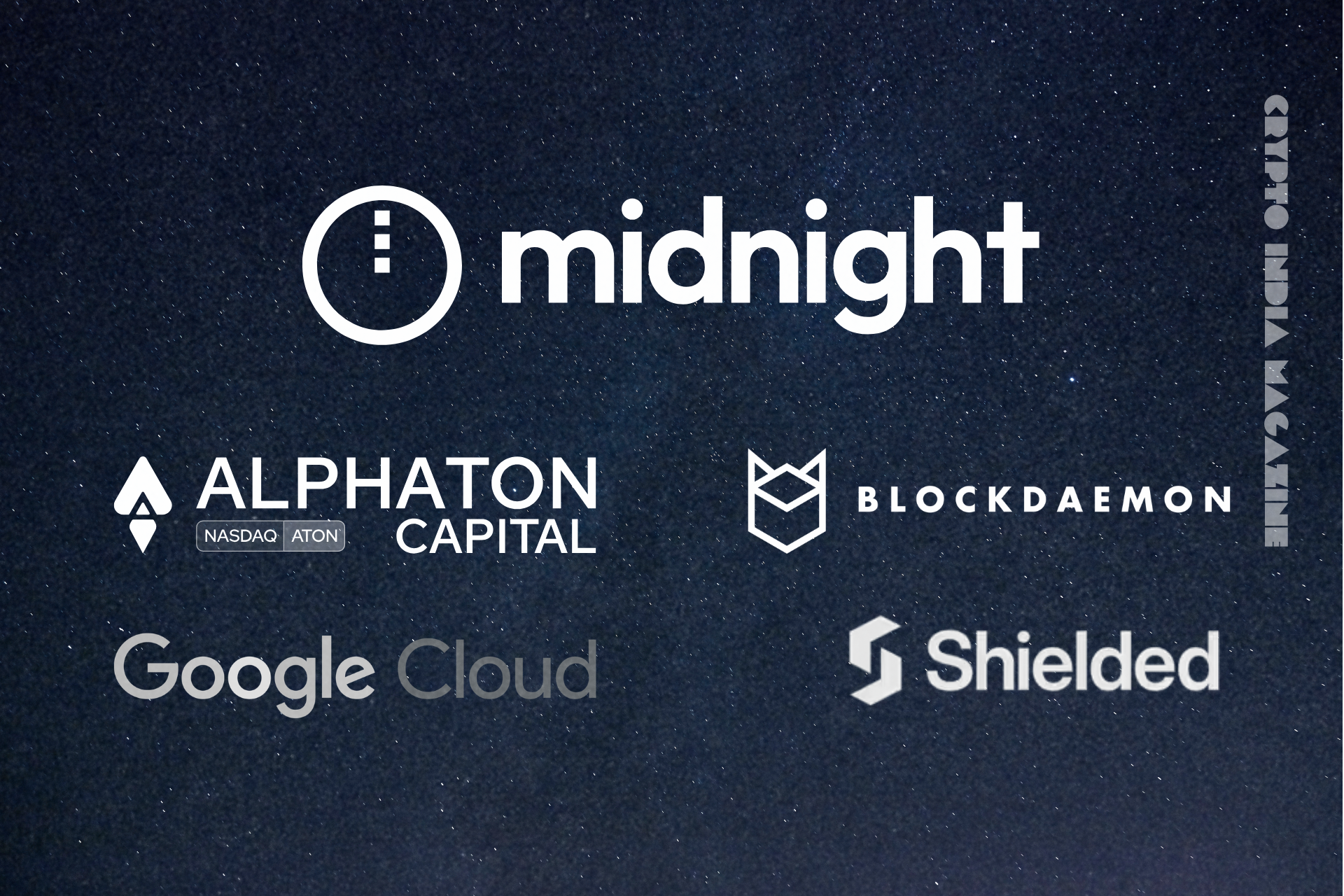
The additions bring Midnight's network of federated node operators to four as institutions look to privacy-enhancing technology to unlock regulated, real-world markets.
By Leila Rahimi
The lack of specificity drew sharp criticism from users, with some arguing that years of delays, vague timelines, and limited accountability had eroded confidence. One community member described the project as the slowest in history, predicting a steep decline in token value by mid 2026.
By Mila Novak
Ethereum is heading into 2026 at a rare intersection of deep protocol change and market tension. As zero knowledge proofs and cross chain interoperability move closer to production, traders face short term volatility from a multi billion dollar options expiry.
By Harshajit Sarmah

“Post-quantum crypto oftentimes it’s about 10 times slower, 10 times larger proof sizes, and 10 times more inefficient,” Hoskinson said. “If you adopt it, what you’re basically doing is taking the throughput of your blockchain and reducing it by cutting off a zero.”
By Leila Rahimi

Centurion University (CUTM-AP) is deploying Avalanche’s fast and scalable blockchain to make every graduate’s degree secure, permanent, and globally accessible. Recruiters, institutions, and government agencies can verify credentials instantly within seconds, reducing the chances of academic frauds.
By Editorial
Previously, when Pi Network co-founder Dr Nicolas Kokkalis appeared in Consensus Toronto, the buzz was delivered, but not much that the wider public could measure.
By Harshajit Sarmah
Using Shutter Network’s threshold encryption, over 250 community-submitted entries were sealed on-chain in a fully trustless manner. Neither the developers nor contributors can access the contents until the decryption threshold is triggered, ensuring an immutable and tamper-proof archive.
By Harshajit Sarmah

Blockchain is evolving into global infrastructure, with growing enterprise use, developer activity, and adoption across finance, identity, and public systems.
By Vedang Vatsa
Blockchain’s impact isn’t one-size-fits-all. From supply chains to microfinance, it can either evolve systems or drive radical disruption. This piece by Nikhil Varma, PhD, explores how organizations can choose between optimization and overhaul.
By Nikhil Varma, PhD
Powered by NIST-approved post-quantum algorithms like SLH-DSA and ML-KEM, Quranium is engineered to withstand future quantum threats, safeguarding assets, smart contracts, and data in a rapidly evolving digital landscape. With a vision to build intelligent, inclusive, and resilient digital ecosystems, Quranium is reshaping blockchain adoption through cutting-edge technology and global community empowerment.
By Editorial
Many blockchain projects fail by chasing decentralization ideals over real-world usability. This article unpacks the gap through the lens of the Kumbh Mela.
By Nikhil Varma, PhD

Originating as a clever mathematical nod to March 14’s Pi Day (3.14 → 6.28), Pi2Day has evolved into a moment of reflection, product updates, and bold signals from the Pi Core Team. In 2024, it served as a KYC rallying cry, drawing in 4.5 million participants. But in 2025, the stakes are higher.
By Harshajit Sarmah

The launch of EigenCloud signals a critical evolution: from restaking as a DeFi-native yield strategy to verifiability-as-a-service—a new paradigm where data availability, compute, and dispute resolution are modular, programmable primitives accessible via a single platform.
By Harshajit Sarmah

The Nervos Network itself has yet to issue a formal statement, only reposting Magickbase’s alert. Meanwhile, users and observers are raising concerns about the broader implications of such breaches.
By Hrishikesh Sarmah

“As projects evolve and mature, it is natural for visions to evolve, and sometimes diverge. With this in mind, I can no longer contribute to Polygon to the best of my abilities,” he wrote. “That said, I remain confident that Polygon leadership is committed to the success of the project. I’ll always be cheering from the sidelines, and supporting however and whenever I can.”
By Harshajit Sarmah

The attack, which began in the early hours of Wednesday, caused SUI’s token price to drop by over 15%, currently trading near $3.90. The exploit has raised fresh alarms over the persistent vulnerabilities facing Web3 platforms, even those built on next-gen blockchains like Sui.
By Harshajit Sarmah
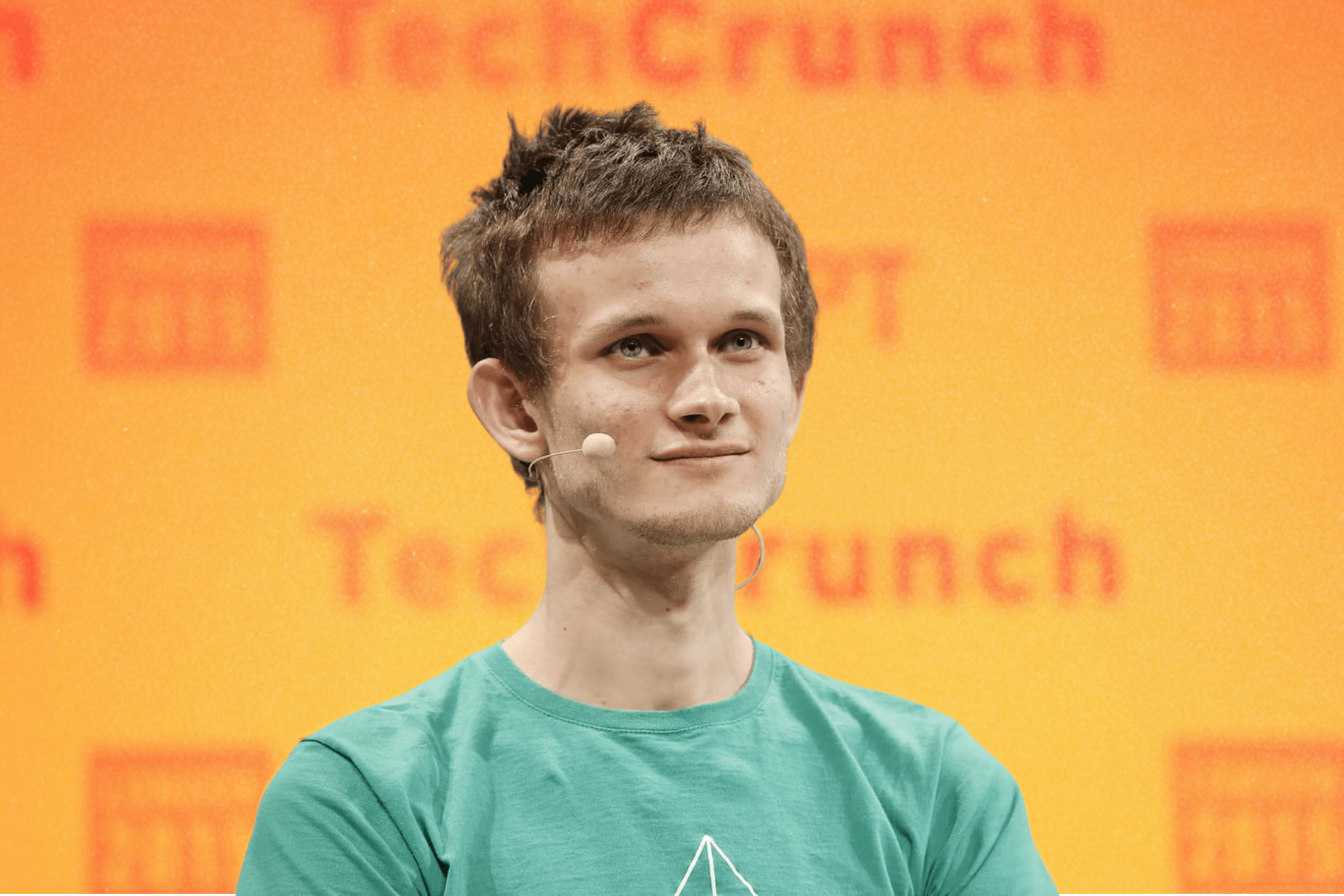
Published in a detailed blog post on Sunday, Buterin’s proposal outlines a model that would allow node operators to store only the subset of Ethereum data most relevant to them, rather than the full 1.3 terabytes (TB) of data required for operating a full node today.
By Harshajit Sarmah