


Key points
- Robinhood launched the public mainnet of Robinhood Chain on July 1, an Ethereum Layer 2 built with Arbitrum technology, at its “The World is Flat” keynote in London.
- New Stock Tokens went live in more than 120 countries through Robinhood Wallet, offering 24/7 tokenized equity trading alongside DeFi products such as Robinhood Earn.
- Offchain Labs co-founder Steven Goldfeder said 10% of fees from Robinhood Chain will flow back to the Arbitrum ecosystem, as the network processed 4 million transactions in its first week.
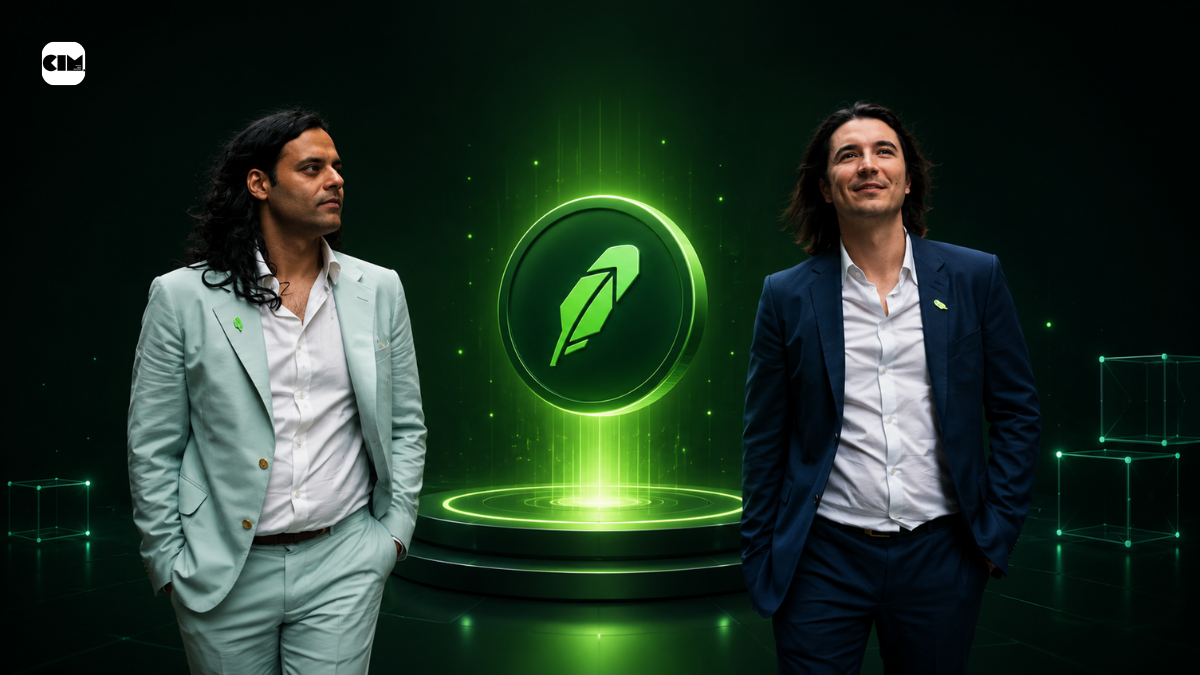
Robinhood Markets launched the public mainnet of Robinhood Chain on July 1, moving its Arbitrum-built Layer 2 blockchain into full production. The company unveiled the network during “Robinhood Presents: The World is Flat,” a keynote staged at the Old Royal Naval College in London, alongside a suite of DeFi products and international expansion plans.
The Robinhood Chain mainnet arrives roughly five months after the network’s public testnet debut in February and a year after the brokerage introduced its first tokenized US stocks for European users on Arbitrum One. Robinhood describes the chain as permissionless, AI-native, and purpose-built for real-world assets. The launch also deepens finance’s broader tokenization push, which recently saw Cathie Wood’s ARK Invest take a $10 million stake in tokenization firm Securitize.
“Decentralized finance unlocks possibilities beyond what traditional finance can offer, but historically, it has required technical expertise to navigate,” said Johann Kerbrat, SVP and General Manager of Crypto and International at Robinhood. “We’re bringing the best of traditional finance and DeFi together, and in doing so, expanding financial ownership to every corner of the globe.”
Stock Tokens, DeFi Lending, and Day-One Partners
Day-one partners include Uniswap, which is deploying a dedicated automated market maker to serve as a primary public liquidity protocol, and Pleiades, which is deploying a proprietary AMM to serve as a primary prop trading venue. The chain also carries integrations from Alchemy, BitGo, and Chainlink, along with built-in lending and borrowing primitives.
Alongside the mainnet, Robinhood switched on its new Stock Tokens in more than 120 countries through Robinhood Wallet, with availability varying by jurisdiction. Eligible users can trade tokenized equities around the clock directly on Robinhood Chain, deploy them into lending pools, and post them as trading collateral across DeFi. Spot trading runs through decentralized exchanges, including Uniswap, Rialto, Lighter, Arcus, and 1inch. The tokens, issued as tokenized debt securities by Robinhood Assets (Jersey) Limited, remain unavailable in the US or to US persons.
The company also began rolling out Robinhood Earn for eligible US users, a decentralized lending product that pays an estimated 7% APY on the dollar-backed USDG stablecoin through the Morpho protocol, with insurance procured through Lloyd’s of London and RELM.
What the Robinhood Chain Mainnet Means for Arbitrum
The launch carries direct consequences for the Arbitrum ecosystem. Steven Goldfeder, co-founder of Offchain Labs, said in a July 8 post on X that 10% of fees collected on Robinhood Chain and every other Arbitrum Layer 2 go to the Arbitrum ecosystem, with 8% flowing to the tokenholder-controlled treasury and 2% funding development.
“As enterprise adoption is heating up, Arbitrum is well positioned to capture revenue. And of course, 100% of fees collected on Arbitrum One go to the Arbitrum treasury,” Goldfeder said.
The revenue share already has volume behind it; the network processed 4 million transactions in its first week of mainnet operation.
Robinhood, which serves nearly 28 million customers across 38 countries, paired the launch with an official rollout in Canada, a capital markets services license in Singapore, and plans to introduce crypto trading in the UK. The company said Agentic Accounts for crypto, which let eligible US traders connect AI models to Robinhood’s trading tools, will begin rolling out soon, extending a wave of institutional onchain infrastructure that includes IBM’s Digital Asset Haven for regulated finance.
Editorial Note: Reported and edited by the Crypto India Magazine editorial team. We use AI tools to assist with research and drafting; every article is reviewed and fact-checked by our editors.
Interested in advertising with CIM? Talk to us!

XRP Ledger Activates Permission Delegation for Institutions
The XRP Ledger activated permission delegation on October 8, letting an account owner authorize another account to send specific transactions without sharing master keys. The XRPL documentation advises against delegating PaymentBurn for now.

A $2 Billion Ethereum Layer 2, Blast Is Shutting Down as Its Assets Fall 98%
Blast, an Ethereum layer 2 that once held more than $2 billion, is winding down after its value locked fell about 98% and costs outran revenue. Users have until October 26 to withdraw. It is the latest in a wave of 2026 layer 2 closures as the market thins.
Pi Network Sets September 15 Target for Final Protocol 27 Upgrade
Pi Network began deploying Protocol 27 to Testnet 1 on August 21, with September 15, 2026 as the Mainnet target. The Core Team calls it the final planned upgrade in the current sequence, adding smart-contract authentication and groundwork for RPC servers, DEX functions, and AMM pools.
OKX Opens Pi Network Access to Millions of US Users
OKX has made the Pi (PI) token available to compliant US users for the first time, the Pi Core Team said on May 21. The move follows Kraken's March listing and adds a second US access point, even as token unlocks and weak demand keep PI pinned near $0.15.