Now Reading: Larry Fink Thinks Tokenization Could Fix What’s Broken About Finance
-
01
Larry Fink Thinks Tokenization Could Fix What’s Broken About Finance

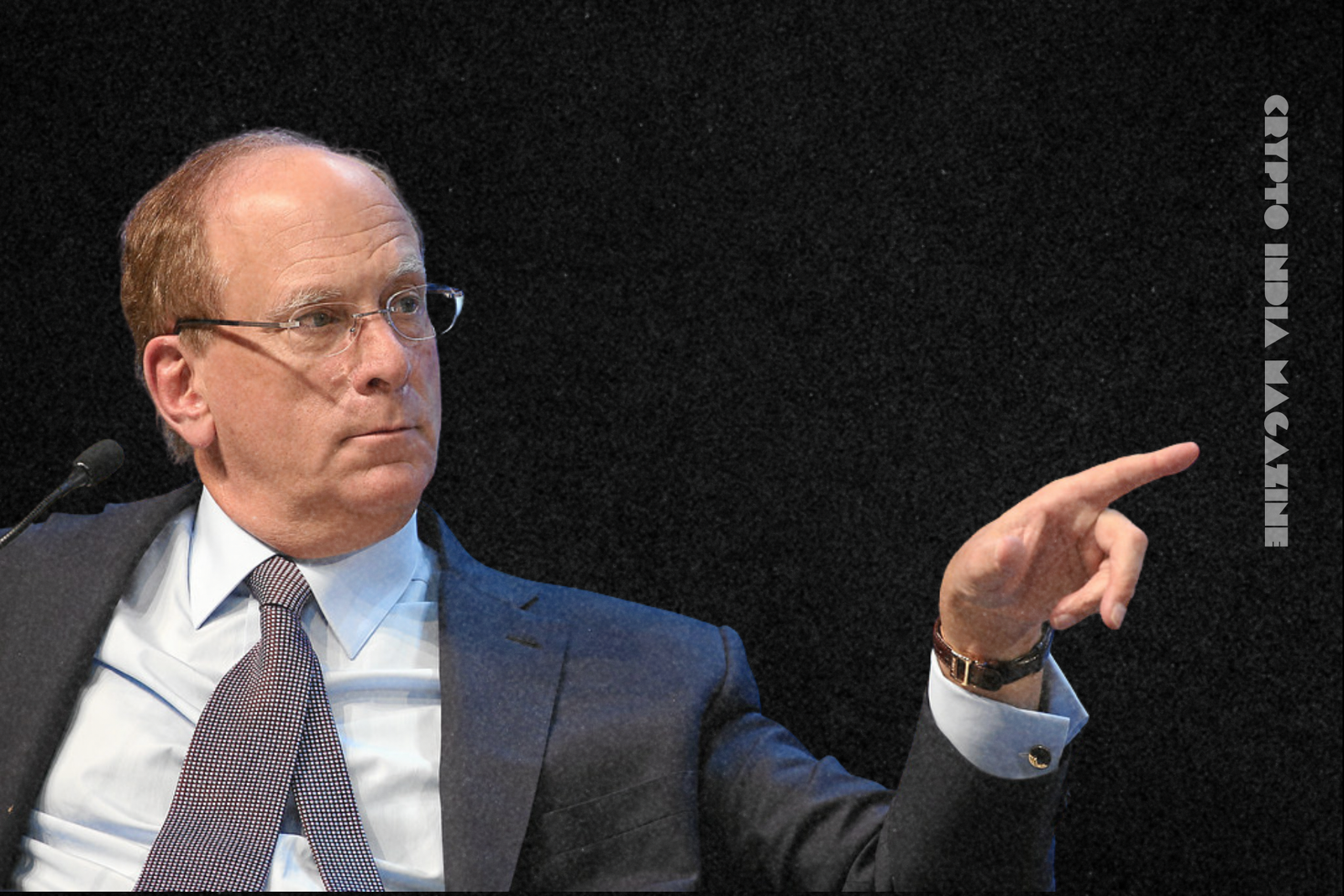
Larry Fink Thinks Tokenization Could Fix What’s Broken About Finance

- BlackRock CEO Larry Fink argues that tokenization, recording asset ownership on digital ledgers, could modernise financial markets and make investing more accessible.
- BlackRock already has nearly $150 billion in assets linked to digital markets, including the world’s largest tokenized fund (BUIDL), $65 billion in stablecoin reserves, and nearly $80 billion in digital-asset ETPs.
- Fink framed tokenization within a broader critique of American capitalism, arguing that the financial system is failing too many workers, and that better digital infrastructure could help expand market participation more widely.
Larry Fink is not known for being subtle. But his annual shareholder letter this year carried a message that was surprisingly candid, even by his standards.
The BlackRock chairman and CEO opened with a blunt assessment of American capitalism: it’s working, he wrote, just not for enough people. Markets have delivered extraordinary returns over the past few decades, but mostly to people who were already invested. Workers without significant savings or market exposure have largely watched from the outside. Meanwhile, government debt is climbing, inequality is widening, and the old financial plumbing is straining under the weight of it all.
It’s not the cheerful letter a lot of shareholders might expect from the head of the world’s largest asset manager. But it set up the rest of what Fink wanted to say.
The Internet Parallel
Fink’s proposed response to these structural problems was tokenization, recording asset ownership on digital ledgers so that securities like bonds, fund shares, and private credit instruments can be issued, traded, and accessed more efficiently.
He compared where tokenization stands today to where the internet was in 1996: early, imperfect, not yet transformative, but clearly pointing somewhere significant. The suggestion isn’t that it will replace traditional finance overnight. It’s that it could gradually modernise the system, cutting costs and opening access in ways that were previously impossible.
The analogy he reached for was the digital wallet. Half the world’s population already carries one on their phone, he pointed out. What if that same wallet could hold tokenized ETFs, bonds, or fractional stakes in infrastructure assets, as easily as sending a payment to a friend?
It’s an ambitious vision. But Fink was careful to frame it as practical infrastructure, not crypto hype.
ALSO READ: BridgePort CEO Nirup Ramalingam on Crypto’s Institutional Shift
BlackRock Is Already Moving
This wasn’t purely theoretical. Fink disclosed that BlackRock has built what he called “early leadership” in digital assets, with nearly $150 billion in assets now connected to digital markets.
The firm’s USD Institutional Digital Liquidity Fund, known as BUIDL, is currently the largest tokenized fund in the world. BlackRock also manages $65 billion in stablecoin reserves and nearly $80 billion in digital asset exchange-traded products. For a company that was once seen as a traditional finance stalwart, those are quietly remarkable numbers.
Fink’s ask of policymakers was measured: build the bridge between old and new systems as quickly and safely as possible, and establish clear standards around buyer protections, counterparty risk, and digital identity verification to keep illicit finance at bay.
ALSO READ: Velo Labs Brings BlackRock’s Tokenized Short-Term Treasury Fund to Southeast Asia
The Bigger Picture
The tokenization argument didn’t stand alone in the letter. Fink spent considerable space on the broader pressures facing the U.S. economy, the challenge of rebuilding manufacturing capacity, expanding energy infrastructure, and competing in artificial intelligence, all at a time when banks, corporations, and governments are less able to absorb those costs on their own.
He also raised the question of Social Security, suggesting it may need structural reform, including some exposure to long-term market returns, to remain viable as the population ages. It’s a politically loaded idea, and Fink knows it.
Taken together, the letter reads less like a CEO’s annual update and more like a diagnosis. The financial system, in Fink’s telling, needs a serious upgrade. Tokenization is one part of that, not a silver bullet, but a better set of rails that could, over time, help more people become participants in markets rather than spectators.
Whether that vision translates into reality depends on regulators, policymakers, and market participants moving in the same direction. But when the head of a $10+ trillion asset manager writes it in his annual letter, it tends to get read carefully on both sides of the aisle.
Editorial Note: This news article has been written with assistance from AI. Edited & fact-checked by the Editorial Team.
Interested in advertising with CIM? Talk to us!