

The Global Growth and Adoption of Blockchain
Blockchain is evolving into global infrastructure, with growing enterprise use, developer activity, and adoption across finance, identity, and public systems.
Blockchain’s impact isn’t one-size-fits-all. From supply chains to microfinance, it can either evolve systems or drive radical disruption. This piece by Nikhil Varma, PhD, explores how organizations can choose between optimization and overhaul.
At the core of PlayW3 lies G Coin, the platform’s native utility token, which powers user engagement across games, content, and social features. Users can purchase G Coin with fiat via a built-in credit card on-ramp and earn it by participating in platform activities.
Powered by NIST-approved post-quantum algorithms like SLH-DSA and ML-KEM, Quranium is engineered to withstand future quantum threats, safeguarding assets, smart contracts, and data in a rapidly evolving digital landscape. With a vision to build intelligent, inclusive, and resilient digital ecosystems, Quranium is reshaping blockchain adoption through cutting-edge technology and global community empowerment.
Many blockchain projects fail by chasing decentralization ideals over real-world usability. This article unpacks the gap through the lens of the Kumbh Mela.
Originating as a clever mathematical nod to March 14’s Pi Day (3.14 → 6.28), Pi2Day has evolved into a moment of reflection, product updates, and bold signals from the Pi Core Team. In 2024, it served as a KYC rallying cry, drawing in 4.5 million participants. But in 2025, the stakes are higher.
The India Blockchain Tour 2025 arrives at a critical time for India to navigate the Web3 future with clarity, collaboration, and global alignment. This year, Octaloop is placing a strong emphasis on driving regulatory dialogue around Web3 and blockchain.
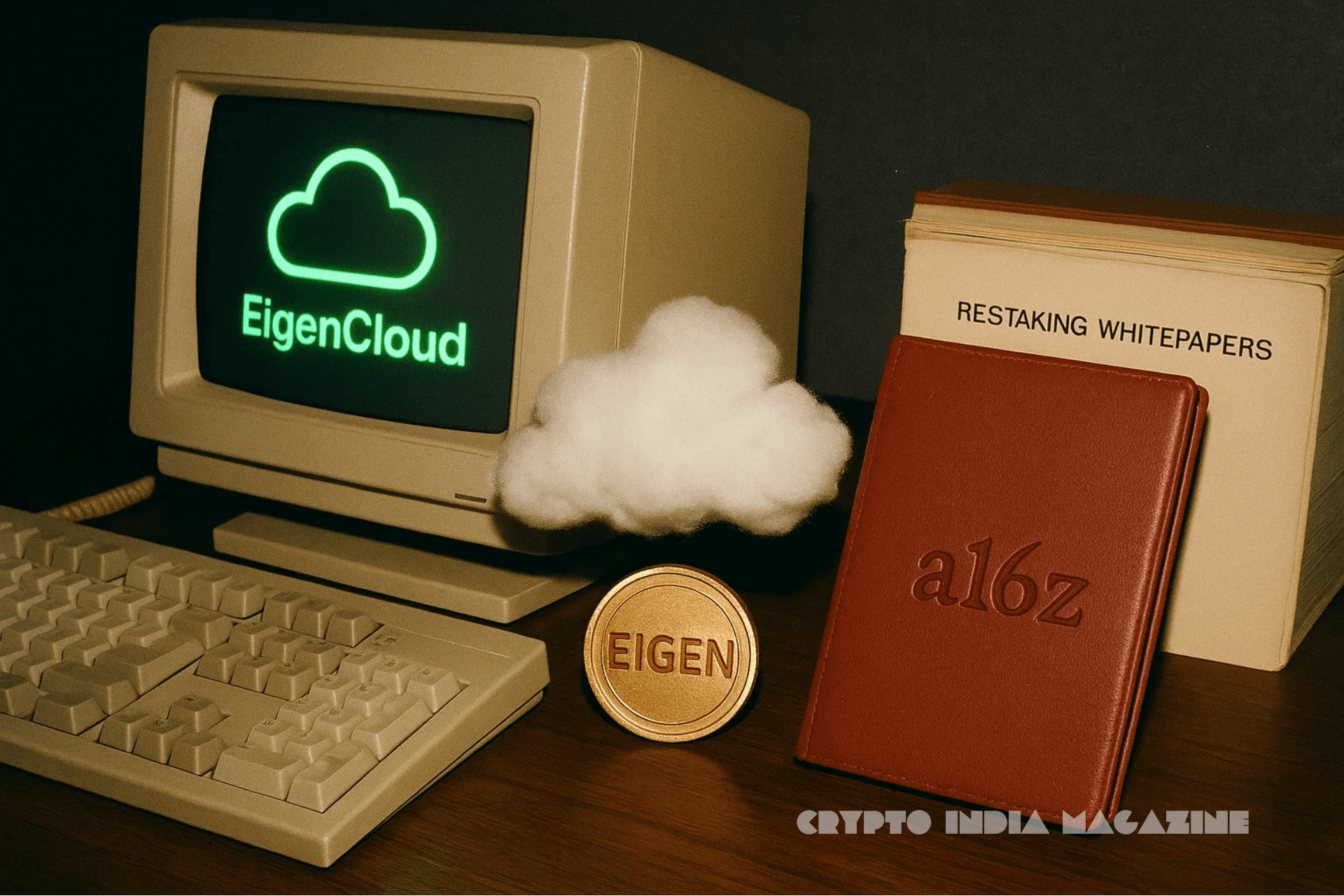
The launch of EigenCloud signals a critical evolution: from restaking as a DeFi-native yield strategy to verifiability-as-a-service—a new paradigm where data availability, compute, and dispute resolution are modular, programmable primitives accessible via a single platform.
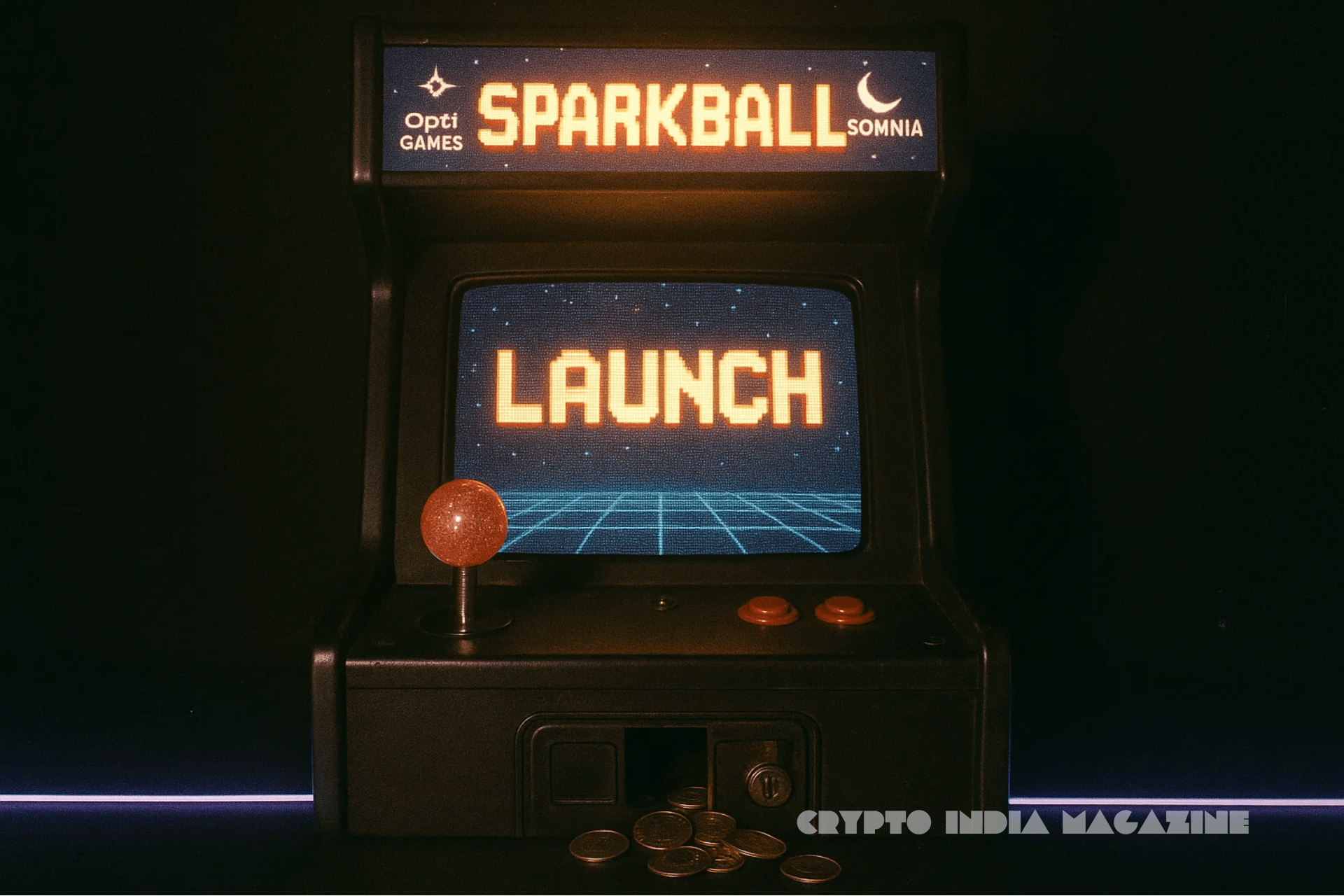
“Sparkball is exactly the kind of game Somnia was built for—competitive, player-driven, and technically ambitious,” said Paul Thomas, Founder of Somnia. “We’re not layering blockchain onto games as an afterthought. We’ve engineered infrastructure to support the real demands of multiplayer gameplay, dynamic content, and persistent economies at scale.”
The Nervos Network itself has yet to issue a formal statement, only reposting Magickbase’s alert. Meanwhile, users and observers are raising concerns about the broader implications of such breaches.
The release signals a move away from chasing mass-market gamers, instead leaning into the crypto-native subculture of users who trade meme coins, mint NFTs, and live onchain.
“As projects evolve and mature, it is natural for visions to evolve, and sometimes diverge. With this in mind, I can no longer contribute to Polygon to the best of my abilities,” he wrote. “That said, I remain confident that Polygon leadership is committed to the success of the project. I’ll always be cheering from the sidelines, and supporting however and whenever I can.”
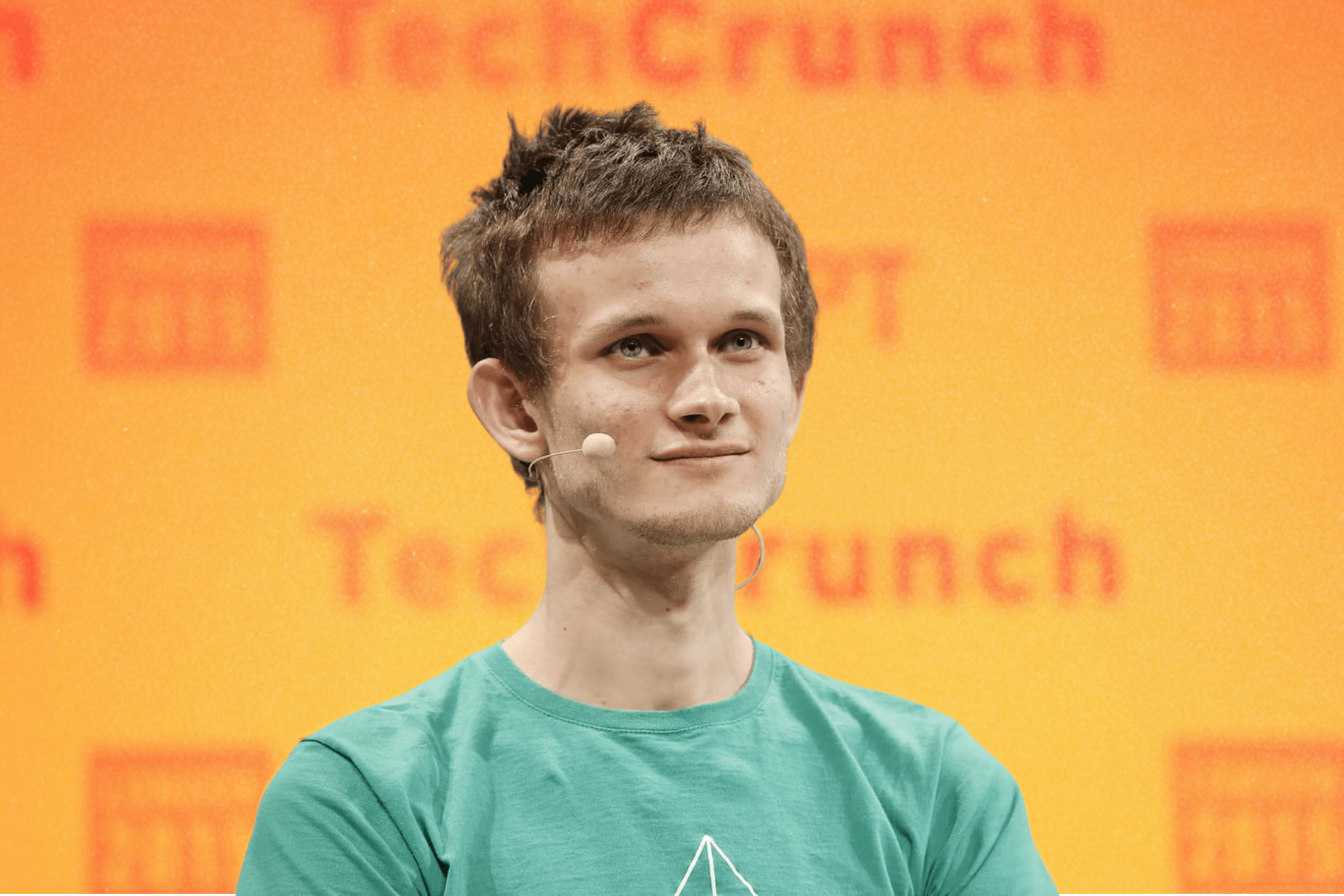
Published in a detailed blog post on Sunday, Buterin’s proposal outlines a model that would allow node operators to store only the subset of Ethereum data most relevant to them, rather than the full 1.3 terabytes (TB) of data required for operating a full node today.
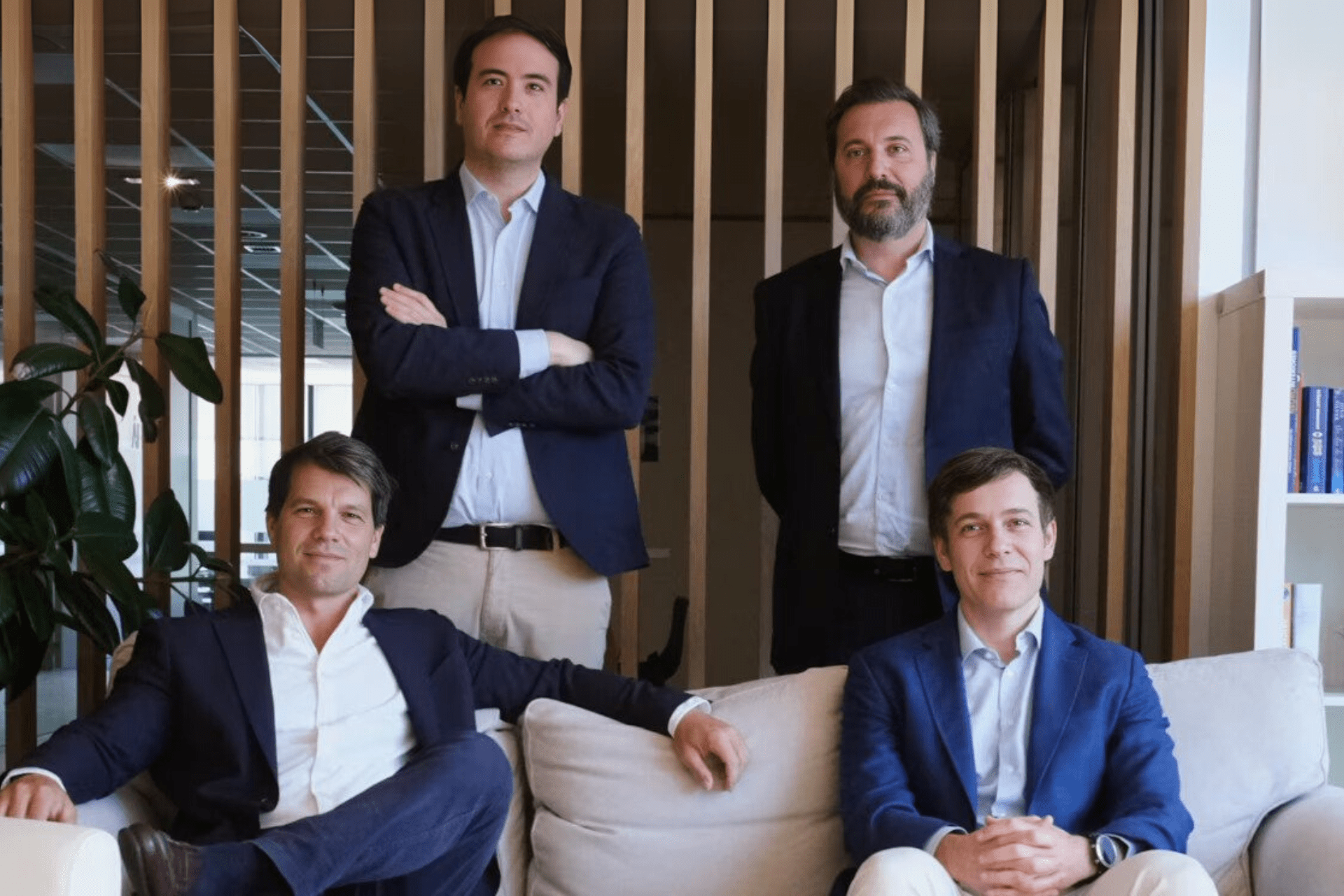
Tritemius acts as the promoter and advisor to the fund, positioning itself as a key player in identifying high-potential web3 startups at the pre-Seed to pre-Series A stages. Average investment per company is expected to be around €500,000, with additional capital reserved for follow-on rounds.
At the center of this initiative is the upcoming launch of the $MBG token, a utility asset that will serve as the operational backbone of MultiBank’s digital finance platform.
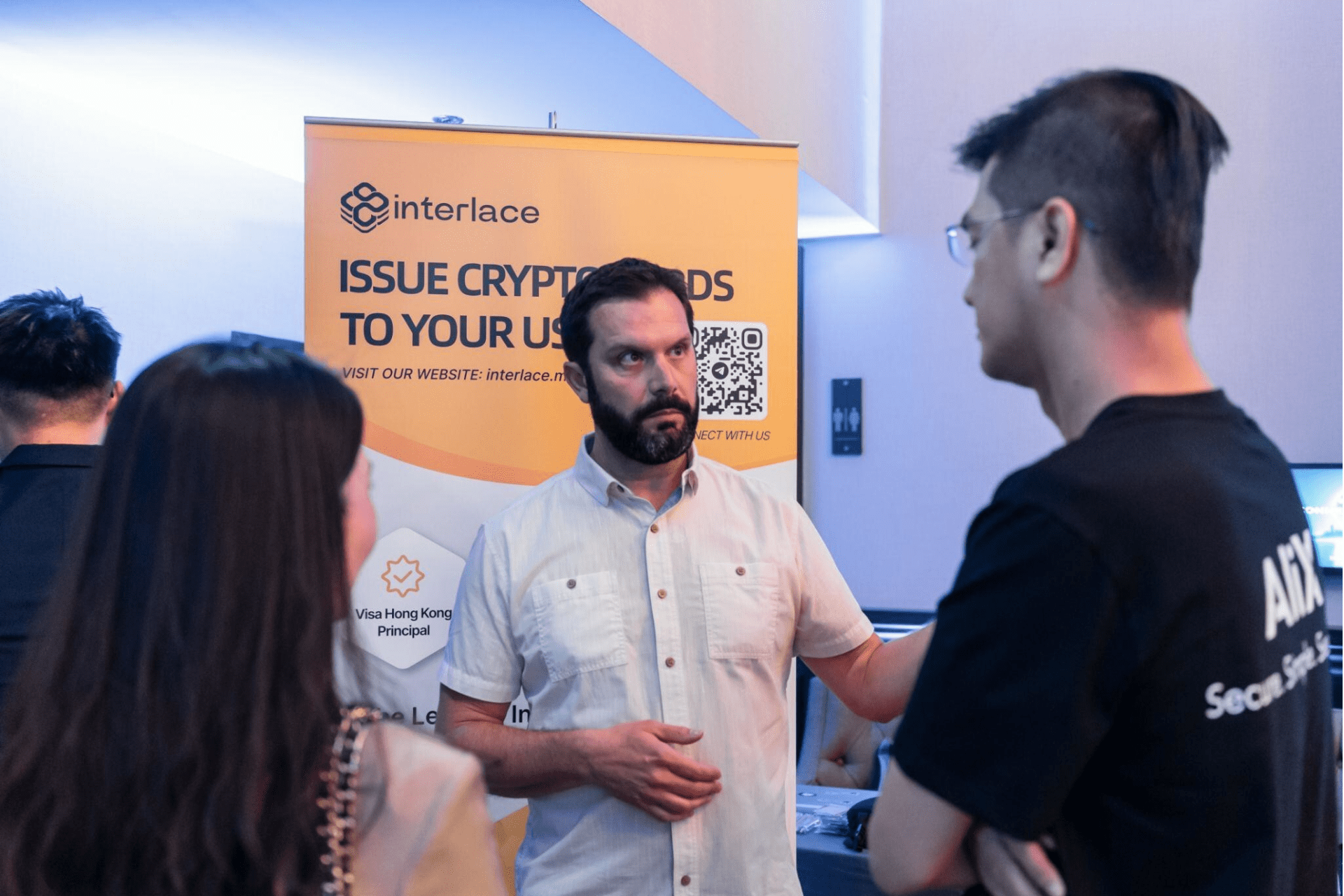
Founder and CEO Michael Wu took part in a panel discussion at the event titled Mastering Web3 Finance and Compliance: Blockchain & Beyond, where he emphasized the region's regulatory clarity as a unique advantage.
Avalanche is investing aggressively in the Indian region, working closely with more government agencies on welfare projects and rolling out a mini-grants program to encourage builders at all stages to build on their platforms.
Anonymous Labs has some experience in blending entertainment with blockchain technologies. The developer previously launched a meme coin project based on the Simon’s Cat web cartoon on the BNB Chain. The CAT token, while experiencing recent gains aligned with broader market trends, has shown the volatility typical of digital assets.
By introducing blockchain-powered fractional ownership and real-time data solutions, Pyse and Polygon could help accelerate India’s green transition, offering a new model for investing in sustainable infrastructure while supporting national climate goals.
Neon’s move comes as the Solana ecosystem sees rising developer interest, particularly from Ethereum-native builders exploring alternatives amid gas fee concerns and scalability limits on Ethereum.
Pi Network's price struggles follow its mainnet launch in February 2025, which initially saw trading restrictions that limited its listing on major platforms. After being listed on Bitget, OKX, and MEXC, the project experienced a sharp decline in value.
Founded in 2017 by Sandeep Nailwal, Jaynti Kanani, and Anurag Arjun, the blockchain startup attracted top investors like Mark Cuban, SoftBank, Tiger Global, and Sequoia Capital. However, the euphoria has since waned.
The migration represents a significant shift for Celo, which originally launched as an independent layer-1 blockchain in 2020. By adopting the OP Stack—a framework designed for building layer-2 networks—Celo aims to improve transaction speed and cost efficiency while inheriting Ethereum’s robust security and decentralization.
The integration comes at a time when Bitcoin’s role in decentralized finance (DeFi) is gaining traction. Despite being the foundation of the crypto industry, Bitcoin’s DeFi ecosystem remains in its early stages.