


Key points
- NikolAI has announced its first NFT collection of 1,000 AI-generated PFPs, celebrating Telegram co-founder Nikolai Durov’s contributions to cryptography.
- Eligible $NIKO holders on the TON blockchain can mint these NFTs for free, gaining exclusive benefits, including governance rights and early access to tools.
The NikolAI project has unveiled its inaugural NFT series in celebration of the 44th birthday of Nikolai Durov, the co-founder of Telegram and a distinguished mathematician and cryptographer. The collection pays homage to Durov’s contributions while aiming to enhance community engagement within the TON blockchain ecosystem.
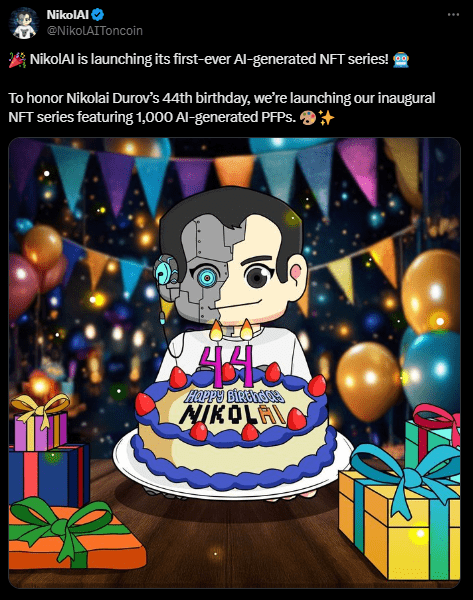
NikolAI, a community-driven cryptocurrency known as $NIKO, has quickly gained traction as one of the most prominent artificial intelligence (AI) meme coins on the TON blockchain. Featuring an AI agent that interacts with users on platforms like Telegram and X.com, the project reached an all-time high fully diluted valuation of $180 million just two weeks after its launch.
The NFT collection includes 1,000 unique AI-generated profile pictures (PFPs), making it a highly anticipated drop for the TON ecosystem. These limited-edition pieces are expected to provide exclusive benefits to holders, including governance rights, early access to tools and AI developments, and potential yield or airdrop rewards for future initiatives.
To qualify for the NFT mint, participants must be among the top 44% of $NIKO token holders on the TON blockchain. Tokens held on centralized exchanges need to be transferred on-chain to ensure eligibility before the cut-off date of November 28, 2024, at 23:59 UTC. Eligible holders will gain access to the free minting process after this deadline.
Editorial Note: This news article has been written with assistance from AI. Edited & fact-checked by Harshajit Sarmah.

Binance to Shut Down Binance Pool and Related Mining Services on November 10
Binance is closing Binance Pool and related mining services on November 10, 2026, at 07:00 UTC. The shutdown ends Cloud Mining, Pool Savings, the Transaction Accelerator, hashrate alerts, and the pool API. Miners must switch pools, redeem Pool Savings, and verify accounts before the cutoff.
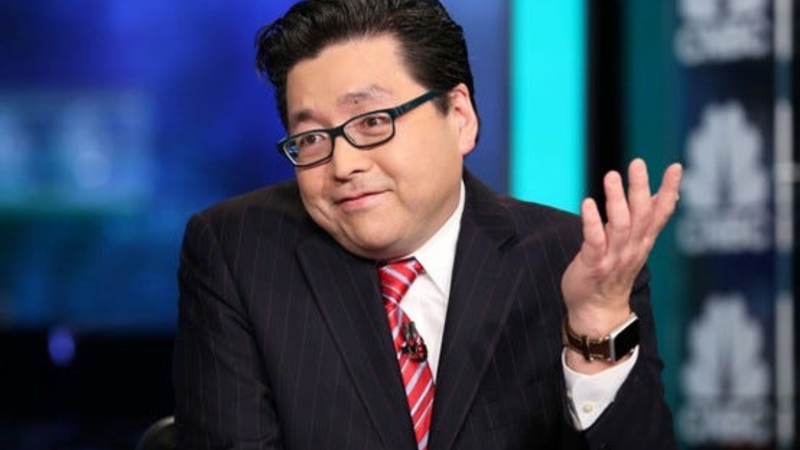
Tom Lee Sees $2 Trillion Wealth Transfer Fueling Crypto Demand as BitMine Buys More Ether
BitMine chairman Tom Lee says a $1.5 trillion to $2 trillion generational wealth transfer between 2026 and 2028 could drive crypto demand, as the firm buys another 12,532 ether and moves within about 76,000 tokens of owning 5% of the ether supply.
“Your Computer Is Hacked”: CBI Busts India-Based Bitcoin ATM Scam Targeting US Seniors
India’s CBI has arrested four people over an alleged India-based Bitcoin ATM scam that impersonated Microsoft and pushed elderly US citizens into crypto payments. A Florida victim lost about $440,000 and a New Jersey victim about $130,000, as India tightens rules on crypto-enabled crime.
Tokenized Commodities Look Beyond Gold as Oil and Lending Open New Markets
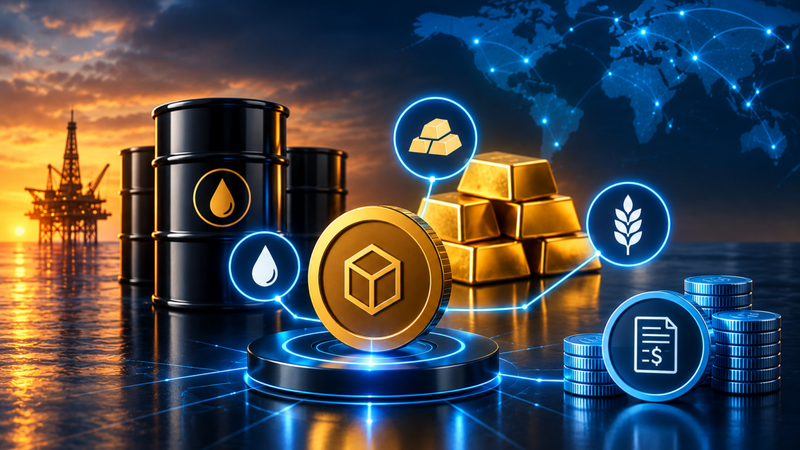
Tokenized commodities are moving beyond gold. Oil tokens, silver, copper, and a tokenized oil and gas fund with secured lending point to a wider market, even as Tether Gold and Paxos Gold still account for more than 90% of the roughly $5 billion sector, according to Token Terminal.
[…] Blockchain moves beyond speculation into real-world infrastructure where AI agents transact autonomously, purchase services, settle invoices, and manage budgets without human interaction at each step. The payment and settlement infrastructure already supports agent-native commerce, where stablecoins emerge as the default settlement layer. Speakers with backgrounds in payments, stablecoin infrastructure, and custody discussed wallet architecture, programmable payment rails, and the design challenges of building financial systems where the end user is software rather than a person. They also addressed the issues that still need to be solved before agent commerce can operate reliably at scale. […]