Now Reading: China to Allow Banks to Pay Interest on Digital Yuan Wallets From January 2026
-
01
China to Allow Banks to Pay Interest on Digital Yuan Wallets From January 2026

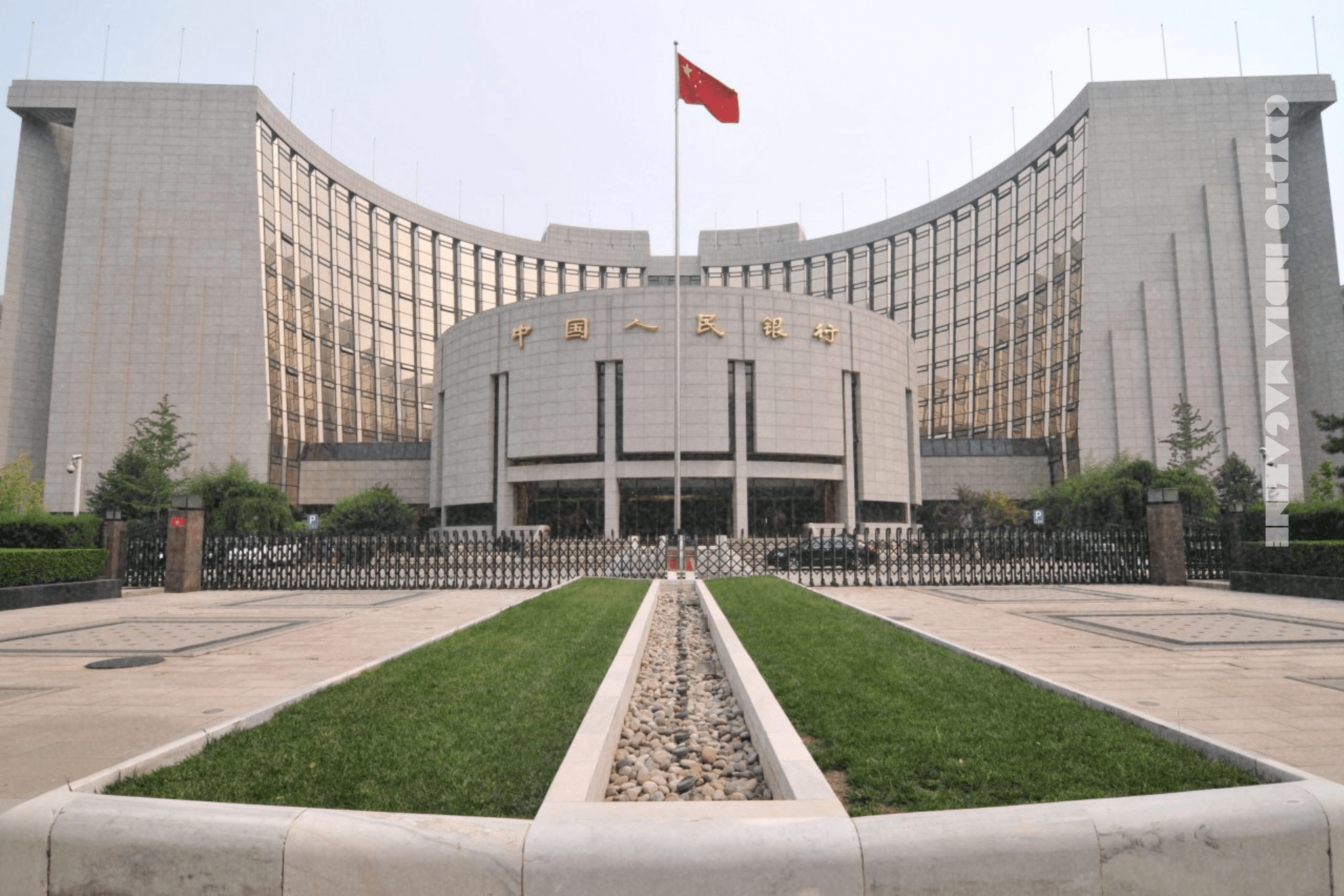
China to Allow Banks to Pay Interest on Digital Yuan Wallets From January 2026

Estimated reading time: 3 minutes
- China’s central bank will permit banks to pay interest on digital yuan wallets starting January 2026, marking a structural shift in the e-CNY framework.
- The move allows digital yuan balances to function as a deposit, like money, and be covered by China’s deposit insurance system.
- Authorities aim to boost adoption of the e-CNY, which has faced competition from dominant mobile payment platforms.
- The policy also enables banks to integrate digital yuan balances into asset liability management operations.
- China’s approach contrasts with the US, where the government has banned the issuance of a central bank digital currency.
China’s central bank will allow commercial banks to pay interest on digital yuan holdings starting January 1, 2026. This marks a shift in the country’s CBDC strategy as it seeks to accelerate the adoption of the e-CNY.
Under the new framework, digital yuan will transition from functioning as a cash substitute to operating as a deposit-like instrument. And it will be within the banking system, according to Lu Lei, deputy governor of the People’s Bank of China.
“The digital RMB will move from the digital cash era to the digital deposit currency (Digital Deposit Money) era,” Lu wrote in an article published in a PBOC-affiliated outlet. “It has the functions of monetary value scale, value storage, and cross-border payment.”
The updated framework will allow banks to integrate digital yuan balances into their asset liability management operations. Verified digital yuan wallets will be eligible to earn interest in line with existing self-regulatory agreements on deposit pricing. Digital yuan balances will also receive the same protection as traditional bank deposits under China’s deposit insurance system.
For non-bank payment institutions, digital yuan reserve funds will be treated in line with current customer reserve requirements, with a 100% reserve ratio applied.
China’s digital yuan project is one of the most advanced central bank digital currency initiatives globally. It has followed more than a decade of development and pilot programs since its official launch in 2019. Despite extensive trials, adoption has remained a challenge due to competition from dominant mobile payment platforms such as Alipay and WeChat Pay.
As of November 2025, China processed 3.48 billion digital yuan transactions with a cumulative value of 16.7 trillion yuan (approx. $2.38 trillion), as per official data cited by Lu.
The policy change comes as Chinese authorities intensify efforts to expand the digital yuan’s reach domestically and internationally. In recent months, the central bank has pledged to increase cross-border use of the e-CNY. This includes planned pilots with Singapore and initiatives involving markets such as Thailand, Hong Kong, the United Arab Emirates, and Saudi Arabia. Shanghai also launched an international operations center for the digital yuan earlier this year to support cross-border settlement infrastructure.
China’s push stands in contrast to the U.S., where Donald Trump signed an order in January banning the issuance and use of a U.S. CBDC. The US administration has instead advanced a regulatory framework for privately issued stablecoins.
While Chinese authorities continue to promote blockchain-based financial infrastructure, cryptocurrency trading and mining remain banned on the mainland. Critics have raised concerns that wider adoption of the digital yuan could increase state oversight of payments. However, officials have framed the initiative as a step toward greater efficiency and financial inclusion.
Editorial Note: This news article has been written with assistance from AI. Edited & fact-checked by the Editorial Team.
Interested in advertising with CIM? Talk to us!