Now Reading: U.S. Seizes Crypto and 145 Domains Linked to BidenCash Darknet Marketplace
-
01
U.S. Seizes Crypto and 145 Domains Linked to BidenCash Darknet Marketplace

U.S. Seizes Crypto and 145 Domains Linked to BidenCash Darknet Marketplace

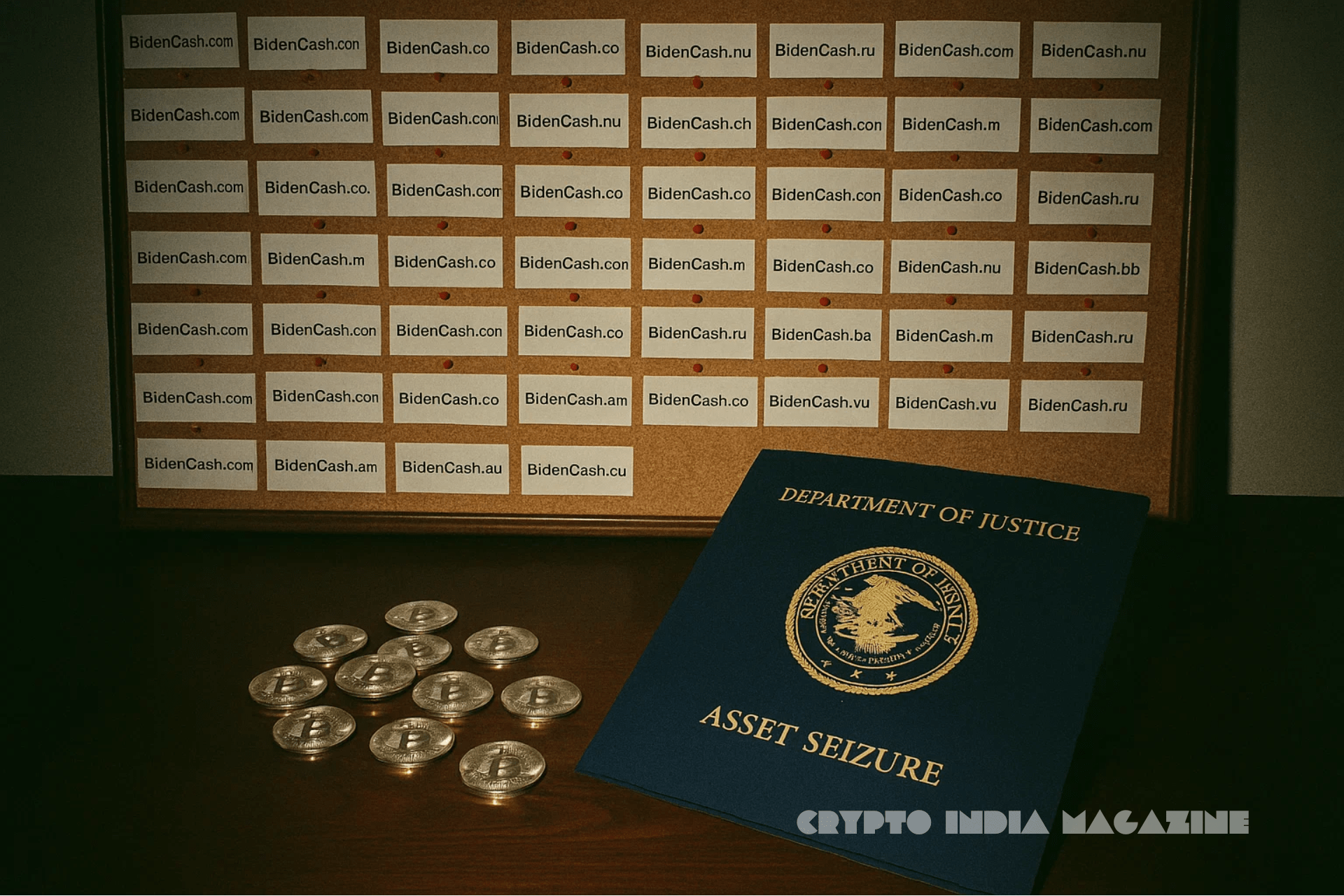
In another major blow to crypto crime, the U.S. government has seized cryptocurrency funds and 145 domains associated with the darknet marketplace BidenCash, according to a statement from the U.S. Attorney’s Office for the Eastern District of Virginia on Wednesday.
Operating since March 2022, BidenCash allegedly made over $17 million in revenue by simplifying the trade of stolen credit card information and personal data. The platform reportedly served more than 117,000 customers, facilitating the sale of over 15 million compromised payment card details, as well as credentials enabling unauthorized access to computers.
The Department of Justice (DOJ) did not disclose the exact value or type of cryptocurrencies seized but confirmed that the funds were used to collect illicit proceeds from transactions on the BidenCash platform. Prosecutors say the marketplace charged fees on every transaction, effectively operating as an automated clearinghouse for cybercriminals.
More brazenly, between October 2022 and February 2023, BidenCash released a trove of 3.3 million stolen credit card details—for free. The promotional stunt included names, addresses, CVVs, expiration dates, emails, and phone numbers, serving both as marketing and a recruitment tool for would-be cybercriminals.
In an added measure, all seized domains—both darknet and traditional internet—now redirect to a law enforcement-controlled server, cutting off access to the illicit marketplace and sending a clear signal to similar platforms. The BidenCash domains are no longer operational.
“This seizure marks a significant disruption of a notorious hub of digital criminal activity,” the DOJ said.
The investigation was led by the U.S. Secret Service’s Frankfurt Resident Office and Cyber Investigative Section, alongside the FBI’s Albuquerque Field Office. They were supported by international cybersecurity organizations, including the Dutch National High Tech Crime Unit, The Shadowserver Foundation, and Searchlight Cyber.
The takedown of BidenCash comes amid growing international coordination on crypto crime. Just last month, U.S. authorities seized five internet domains linked to LummaC2, a malware-as-a-service platform that had been widely used to steal crypto wallet seed phrases and credentials globally.
While the BidenCash case highlights how cryptocurrency can be misused as a tool for anonymity and illicit trade, it also shows how government agencies are becoming more adept at tracking blockchain-based transactions, often thought to be beyond the reach of traditional law enforcement.
With regulatory scrutiny and technical capabilities catching up, the days of fully anonymous, untraceable crypto crime might be numbered.
Editorial Note: This news article has been written with assistance from AI. Edited & fact-checked by the Editorial Team.
Interested in advertising with CIM? Talk to us!