

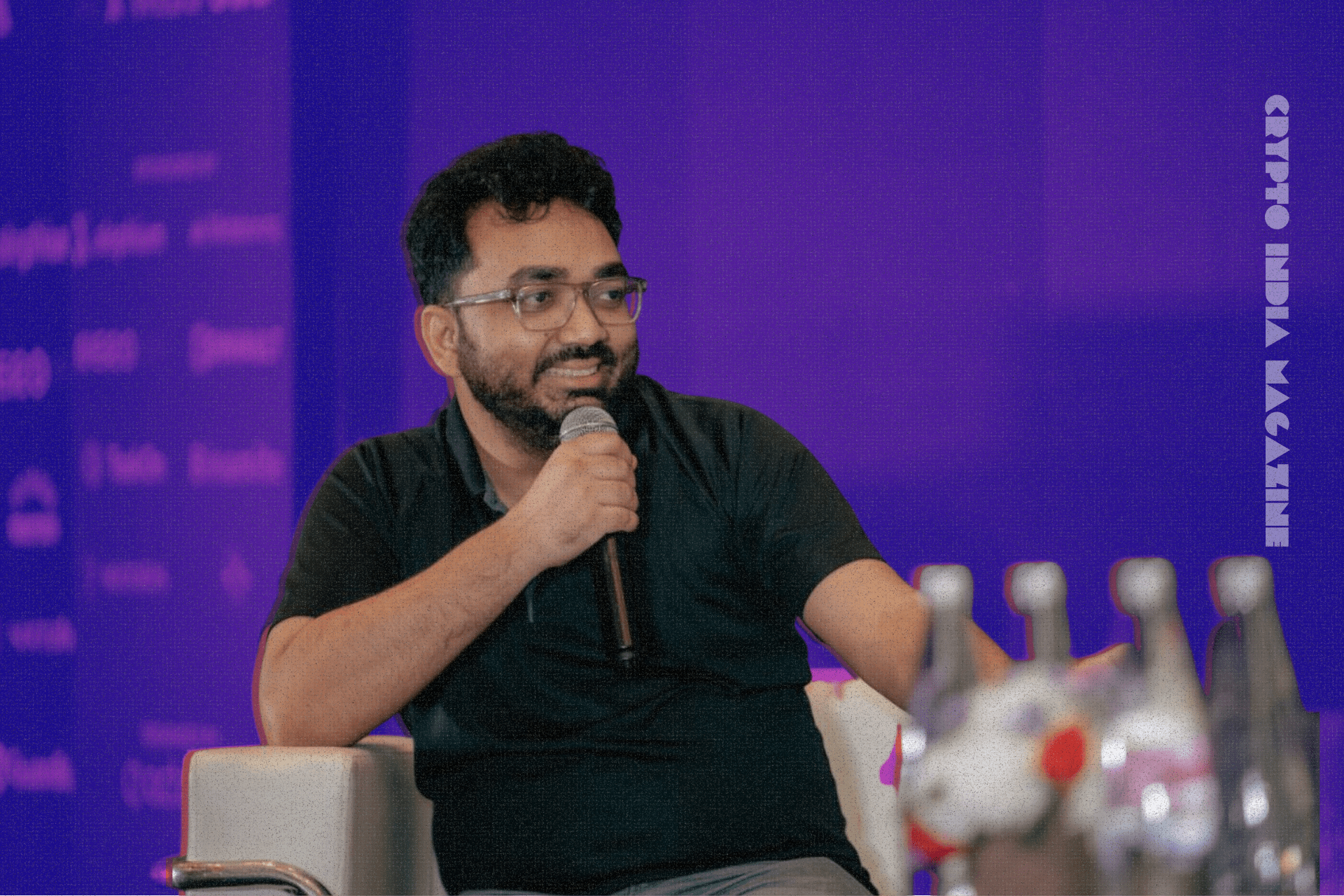
Web3 and artificial intelligence (AI) conferences have multiplied across the globe, often promising big stages, bigger crowds, and the chance to be part of the next wave of innovation.
In India too, events around these technologies are popping up like mushrooms, but the question that lingers is: are they truly delivering value, or just repeating the same narratives in different auditoriums?
With founders, investors, and policymakers seeking more than surface-level conversations, the relevance and return on such gatherings have become a subject of debate. Against this backdrop, Metamorphosis has positioned itself as a space that claims to prioritize outcomes over optics.
To understand where it fits in this crowded landscape and how its 2025 edition is being shaped, we spoke with Anupam Varshney, the founder of Octaloop, about the origins of the conference, the choices behind its design, and the tangible impact it aims to measure.
How a Frustration with Conferences Sparked a New Format?
When asked about the origins of Metamorphosis, Anupam Varshney pointed to a sense of fatigue with the way most conferences were being conducted. Back in 2016, he and his team at Octaloop began hosting small meetups in Delhi and quickly noticed a pattern.
“Too many gatherings turned into pitch festivals or hype-driven echo chambers,” he recalled.
That frustration eventually became the seed for what is now Metamorphosis, envisioned as a forum where builders, investors, policymakers, and creators could interact with a shared goal of pushing the industry forward.
For the 2025 edition, Varshney said the ambition has grown sharper. The focus is on positioning India as a serious player in the Web3 and AI space while moving beyond a symbolic presence.
“This year, we’re raising the bar by focusing on outcomes: funding startups, fostering regulatory dialogue, and enabling cross-border partnerships,” he explained.
The lineup of speakers reflects this effort to balance established voices with new ones. Confirmed participants range from Rama Devi, Director of Emerging Technologies in the Telangana government, to global representatives such as Tomas Vaic of Trezor and Matt Snow of 1inch. Alongside them are Indian founders, researchers, and policy experts, with Varshney emphasizing the importance of spotlighting underrepresented builders addressing real-world issues.
Another addition to the 2025 program is a demo day for startups. Rather than chasing trends, the teams selected are working at the intersection of Web3 and AI, with projects spanning decentralized infrastructure, governance tools, DeFi solutions, and consumer-facing applications.
The intention, Varshney said, is to highlight founders “building with conviction” and solutions that extend relevance beyond crypto into broader industries and communities.
Excerpts from the Interview
The following section presents excerpts from the conversation, where Varshney delves into the practical side of organizing a large-scale Web3 and AI conference.
He addresses questions on return on investment for participants, the challenge of sponsorship fatigue, the need to include diverse and grassroots voices, and the tangible outcomes by which success will be measured. He also shares how he envisions Metamorphosis evolving beyond India and onto the global stage.
CIM: In a landscape where dozens of Web3 and AI events happen every quarter, how do you justify the ROI for founders, investors, and attendees at Metamorphosis 2025?
Varshney: For us, ROI isn’t about selfies or headlines. It’s measured in capital raised, partnerships forged, policies shaped, and knowledge shared. We’ve designed Metamorphosis as a funnel—startups connect with investors, corporates discover innovators, regulators engage with technologists. Every stakeholder walks away with outcomes they can’t replicate at a generic conference. Our mission is to deliver tangible KPIs—not just for sponsors, but for every single attendee.
CIM: Sponsorship fatigue is real in the industry. What is your pitch to sponsors and partners who are sceptical about event-driven visibility?
Varshney: We hear that concern, which is why we don’t sell “logos on a banner.” Our approach is ROI-driven sponsorships. Each partner gets a 6–12 month visibility plan around the event: KOL campaigns, community activations, product integrations, and sustained branding across our ecosystem. It’s not a weekend splash—it’s long-term market penetration.
CIM: Conferences are often criticized for being echo chambers. How are you ensuring fresh voices, especially from builders on the ground, are heard?
Varshney: We’ve made diversity and inclusion a non-negotiable. Panels are deliberately designed to feature young developers, women leaders, regional founders, and grassroots community builders. Metamorphosis isn’t just for CEOs—it’s equally a stage for coders, researchers, and underdog startups with unicorn potential.
We’re also communicating in English, Hindi, and regional languages like Telugu and Kannada to reach last-mile Web3 and AI users. This ensures that voices from the grassroots—the real builders on the ground—are not just included but amplified.
CIM: Beyond panels, what tangible outcomes—funding, partnerships, policy impact—will you measure to call Metamorphosis 2025 a success?
Varshney: We’ve defined clear KPIs:
- Number of startups funded at Demo Day
- Partnerships initiated during or after the event
- Direct trading, adoption, and developer activity catalyzed
- Meaningful policy dialogues with regulators
If companies walk away better funded, policymakers walk away better informed, and communities walk away stronger—that’s true success for us.
CIM: How do you see Metamorphosis evolving in the coming years? Do you plan to make it a global brand for AI and Web3?
Varshney: Absolutely. Our long-term ambition is for Metamorphosis to be India’s gift to the global innovation ecosystem—the place where AI and Web3 truly converge. While global expansion is on the horizon, our core focus remains on India, given its unmatched potential. The country has ranked No. 1 in crypto adoption for three consecutive years, and we believe it will shape the global narrative.
This year, we’re taking the first step with Metamorphosis Connect in Singapore on September 30th, alongside Token2049—showcasing India’s builders and thought leaders on an international stage.
Editorial Note: This article is based on an interview with Anupam Varshney. The introduction and the following section have been presented in a narrative format for clarity and flow, while the interview excerpts remain unchanged in substance.
Interested in advertising with CIM? Talk to us!

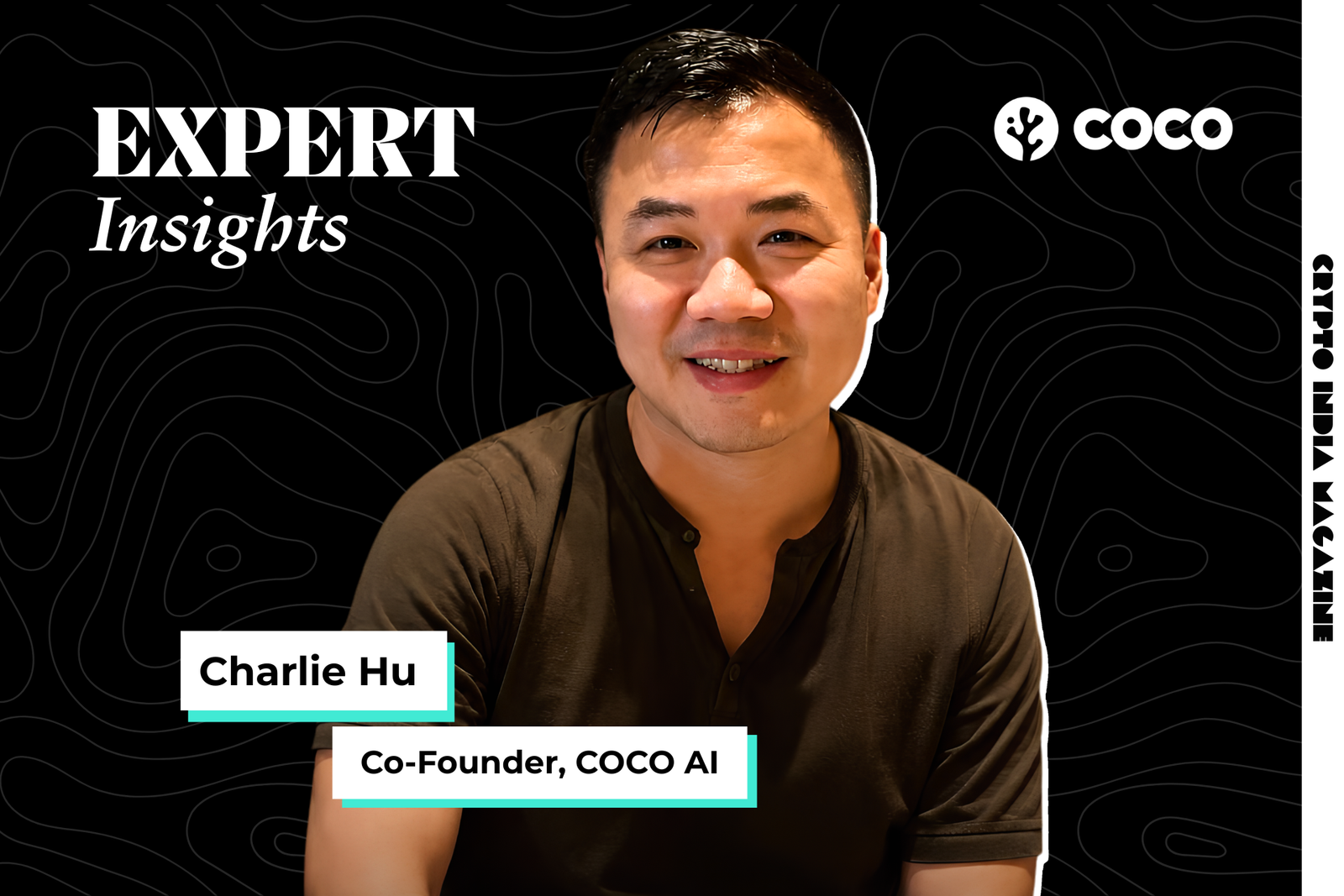
Interview with Charlie Hu, Co-Founder of COCO AI: AI Agents, Enterprise Adoption, and Future of Work
COCO AI co-founder Charlie Hu runs a 15-person team alongside about 60 AI agents, serving 500-plus businesses in e-commerce, gaming, and digital marketing. He breaks down the shift from Copilot to Autopilot, why physical AI is the next frontier, and how to stay valuable.
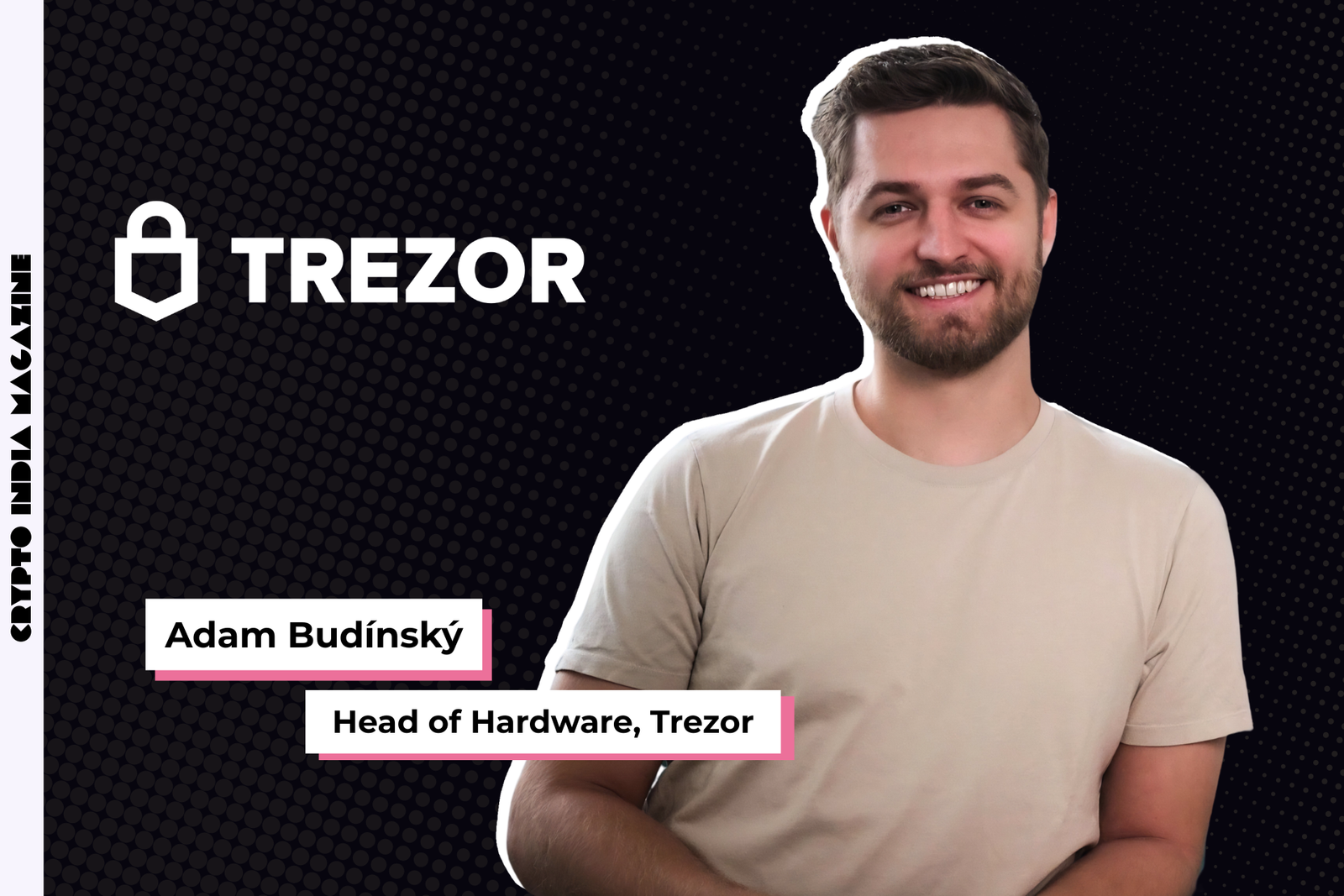
Interview with Adam Budínský: Trezor’s Head of Hardware on the Safe 7, Open Security, and Self-Custody
The Trezor Safe 7 just won a 2026 Red Dot Award for Product Design. Head of Hardware Adam Budínský talks to CIM about the device's open, auditable, secure element, the push to end blind signing on Ethereum, the touchscreen threat model, and why self-custody adoption still lags in India.