


Key points
- Strategy bought 1,550 Bitcoin for about $101 million between June 1 and June 7, its first purchase below cost basis, lifting holdings to 845,256 BTC.
- A 32-coin sale worth roughly $2.5 million, disclosed on June 1, broke the firm’s “never sell” image and helped trigger a 14% slide that pushed Bitcoin below $60,000.
- The weekend rebound to $63,700 wiped out $504 million in short positions, while an on-chain valuation metric fell near levels that marked past bear-market bottoms.
Strategy bought 1,550 Bitcoin ($BTC) for about $101 million between June 1 and June 7, the company disclosed in an 8-K filed with the U.S. Securities and Exchange Commission on Monday, June 8. The Strategy Bitcoin purchase was its first acquisition since the firm sold coins in late May, and it lifted total holdings to 845,256 BTC bought at an average of $75,680 each.
The buy closed a turbulent stretch that began with a far smaller trade. On June 1, Strategy reported selling 32 BTC for roughly $2.5 million between May 26 and May 31, its first Bitcoin sale since 2022, with proceeds earmarked for dividends on its STRC preferred stock. The disclosure broke the “never sell” posture that had made Strategy a structural demand anchor for the asset since 2020.
Why Bitcoin Fell Below $60,000
The 32-coin sale did not happen in isolation. Record outflows from spot Bitcoin ETFs, an unwind in AI-linked equities, renewed movement from the long-dormant Mt. Gox estate, and rising Iran-Israel tensions all pressured prices through the week. Bitcoin fell about 14% and bottomed near $59,300 on Friday, June 5, its lowest level of the year.
Analysts framed the episode as painful yet inconclusive. “This week has been painful in crypto,” Geoffrey Kendrick, Standard Chartered’s global head of digital assets research, wrote in a June 4 note. “There is really no other way of putting it.” Kendrick called the timing of the sale “a shame” and reaffirmed a bullish year-end target, comparing the moment to 2022, when Strategy sold Bitcoin only to accumulate more later.
The Rebound and the Short Squeeze
Bitcoin recovered above $63,000 over the weekend and touched $63,700 on Monday before easing toward $62,900 as fresh Middle East tensions lifted oil prices. The bounce punished bearish traders. Short sellers lost about $504 million over the 24 hours to Monday morning, the most in a single day since late April. Total crypto liquidations reached roughly $655 million, affecting more than 104,000 traders.
On-chain data added to the case for a floor. Bitcoin’s market-to-realized value ratio fell to about 1.1, a level last seen in March 2023 and onethat has historically sat near major bottoms. The metric compares the network’s market price to the average cost basis of coins last moved on-chain, and a low reading signals holders are near break-even. CryptoQuant analysts cautioned that the reading reflects compressed valuations rather than a guaranteed reversal.
Strategy Bitcoin Purchase and What Comes Next
The sequence of a symbolic sale followed days later by a much larger buy below cost prompted speculation about whether the disposal had helped depress prices before Strategy stepped back in. The firm bought the 1,550 coins at an average of $65,332, its first purchase beneath its cost basis, and funded the move by selling 1,409,600 MSTR shares for about $181 million rather than through its preferred-stock programs. Strategy also lifted its U.S. dollar reserve by $100 million to $1 billion, after that buffer fell from $2.25 billion at the start of 2026. Whether the rebound marks a durable bottom now hinges on ETF flows, macro conditions, and how long Strategy can keep buying through equity issuance.
Editorial Note: Reported and edited by the Crypto India Magazine editorial team. We use AI tools to assist with research and drafting; every article is reviewed and fact-checked by our editors.
Interested in advertising with CIM? Talk to us!

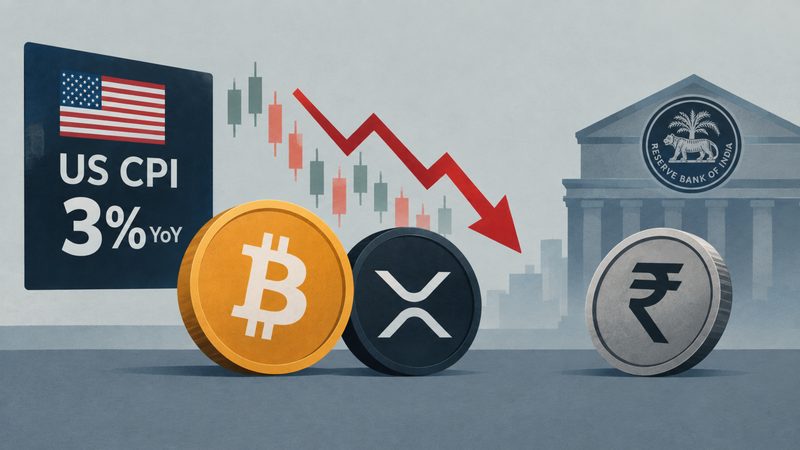
Rupee Near Record Low Splits Bitcoin and XRP Prices in India From the Dollar
The delayed US September CPI came in at 3% and crypto sold off, with Bitcoin below $81,000 and XRP down over 4%. With the rupee near a record low and the RBI intervening, Bitcoin and XRP prices in India can move differently from their US dollar charts. Here is why that happens.

Binance to Shut Down Binance Pool and Related Mining Services on November 10
Binance is closing Binance Pool and related mining services on November 10, 2026, at 07:00 UTC. The shutdown ends Cloud Mining, Pool Savings, the Transaction Accelerator, hashrate alerts, and the pool API. Miners must switch pools, redeem Pool Savings, and verify accounts before the cutoff.

Tom Lee Sees $2 Trillion Wealth Transfer Fueling Crypto Demand as BitMine Buys More Ether
BitMine chairman Tom Lee says a $1.5 trillion to $2 trillion generational wealth transfer between 2026 and 2028 could drive crypto demand, as the firm buys another 12,532 ether and moves within about 76,000 tokens of owning 5% of the ether supply.

BitMine Stakes $13.8 Billion in ETH as Its Treasury Tops 6 Million Tokens
BitMine's ether treasury has crossed 6 million tokens, about 4.9% of all ETH, and it has staked 5.07 million of them, worth roughly $13.8 billion. With treasury stocks no longer trading at a premium, the real story is why staking yield has become the center of the strategy.
[…] low near $58,000, Strategy’s unrealized loss had reached $13 billion, equal to 20.4% of its total Bitcoin cost basis. The largest cryptocurrency hit an intraday high of $79,319 on Friday before easing back toward […]