Now Reading: $418 Million Flows into India’s Alternative Payments Market: Report
-
01
$418 Million Flows into India’s Alternative Payments Market: Report


- India is moving beyond simple transaction enablement. The new focus is on unlocking “stored value” through rewards and embedded finance.
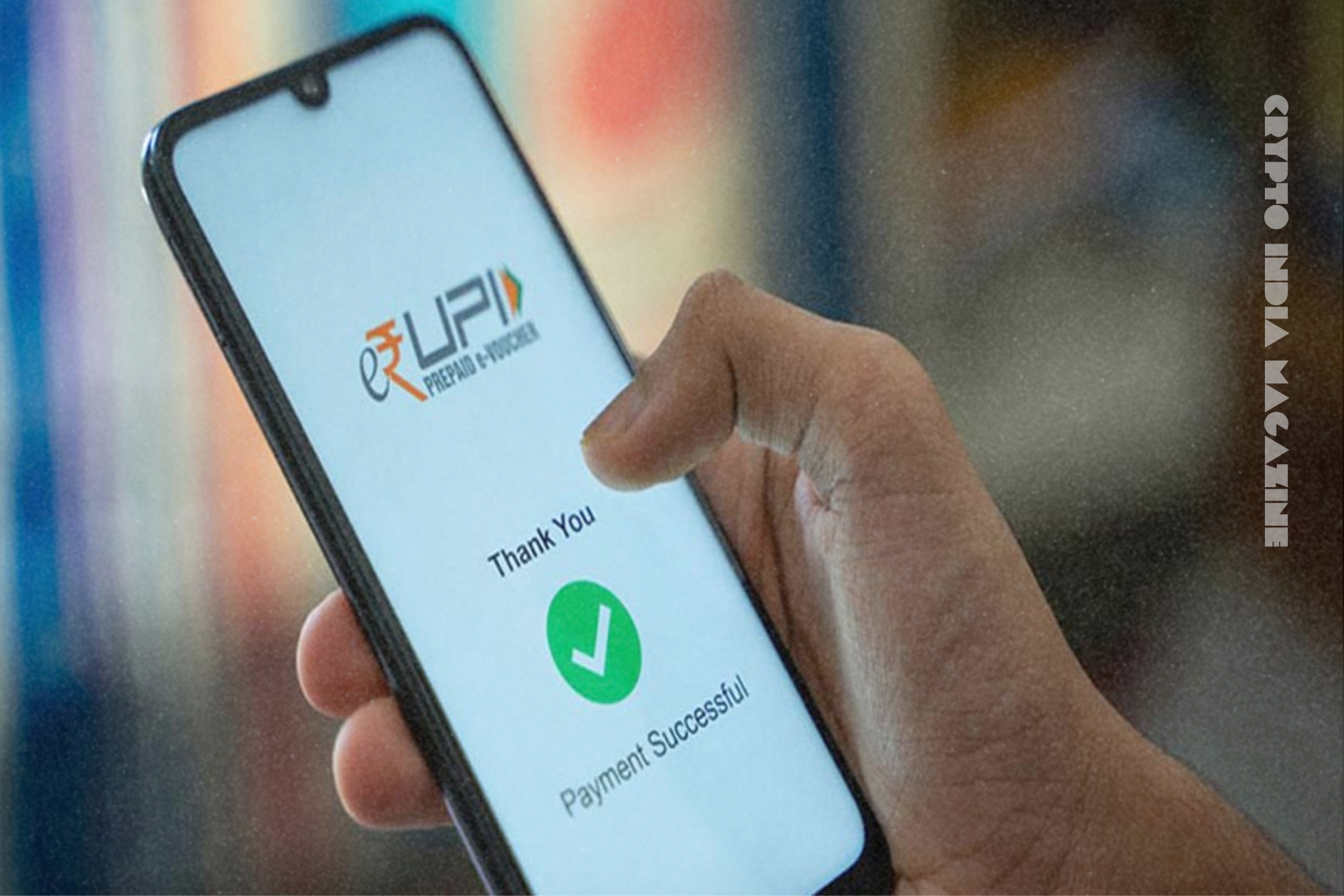
- UPI accounted for 83% of India’s digital payment volumes in FY25. It processed 185.8 billion transactions, marking a 41.7% year-on-year increase.
- Between 2020 and 2025, over 420 alternative payment startups emerged in India.
- The sector raised $418 million across 88 equity funding rounds as investors back platforms that integrate credit and rewards.
India has effectively solved the problem of payment scale. Now the industry is turning its attention to value. A new analysis of Tracxn data, commissioned by TWID, highlights a structural shift in India’s alternative payments ecosystem. Innovation is moving beyond simple transaction enablement to unlock the stored value embedded in payments.
From Volume to Value
The report notes that UPI has fully entered the mainstream. In FY25, the network accounted for 83% of India’s digital payment volumes and processed a staggering 185.8 billion transactions. This represents a 41.7% increase year-on-year.
Tracxn’s analysis points to a growing emphasis on how value is utilized within these payment flows. Traditionally, rewards remained locked within issuer systems or confined to catalogue-based redemptions. Newer models are breaking this dynamic. They enable rewards to function as a liquid payment value at checkout.
The Rise of Alternative Payments
This transition is driving a surge in startup activity. Between 2020 and 2025, more than 420 alternative payment startups emerged in India. These companies span rewards-based payments, credit-on-UPI, BNPL, and digital wallets.
Investors are also backing this shift, as the sector raised $418 million across 88 equity funding rounds during the same period. Capital is increasingly concentrating on platforms that integrate credit, rewards, or stored value directly into the transaction flow.
Notable players driving this trend include TWID (rewards), Kiwi (credit-on-UPI), Popclub, and Cheq. These platforms illustrate how the ecosystem is evolving to reshape how value flows between consumers and merchants.
Making Rewards “Liquid”
Amit Koshal, Founder and CEO of TWID, explains that the industry is moving from accumulation to liquidity.
“When rewards become usable at the moment of purchase, they stop being a marketing expense and start behaving like a powerful payment instrument,” Koshal said. “This is where issuers drive incremental transactions, merchants see higher conversion, and customers experience real value instantly.”
The report cites TWID as a prime example of this rewards-first approach. By integrating point systems directly into merchant checkouts, the platform converts dormant points into active spending power.
ALSO READ: RBI Approves Blockchain MSME Financing
A Mature Growth Environment
The report attributes this momentum to a convergence of favorable factors. These include progressive regulation, global leadership in UPI infrastructure, and a rising base of financially aware consumers.
Neha Singh, Co-founder and CEO of Tracxn, noted that India has become a natural environment for these alternative modes.
“India is witnessing a shift from payment as a basic utility to payments as a means of greater financial engagement,” Singh said. “The rising investor focus further reinforces the sector’s momentum, making alternative payments well positioned for sustained growth.”
As the ecosystem matures, the boundary between payments, credit, and rewards continues to blur. The data suggests that the next phase of Indian fintech will not just be about moving money. It will be about maximizing what that money can do at the point of sale.
Editorial Note: This news article has been written with assistance from AI. Edited & fact-checked by the Editorial Team.
Interested in advertising with CIM? Talk to us!